On the trail
Terrain, weather and preparing to head off-road.
30 articles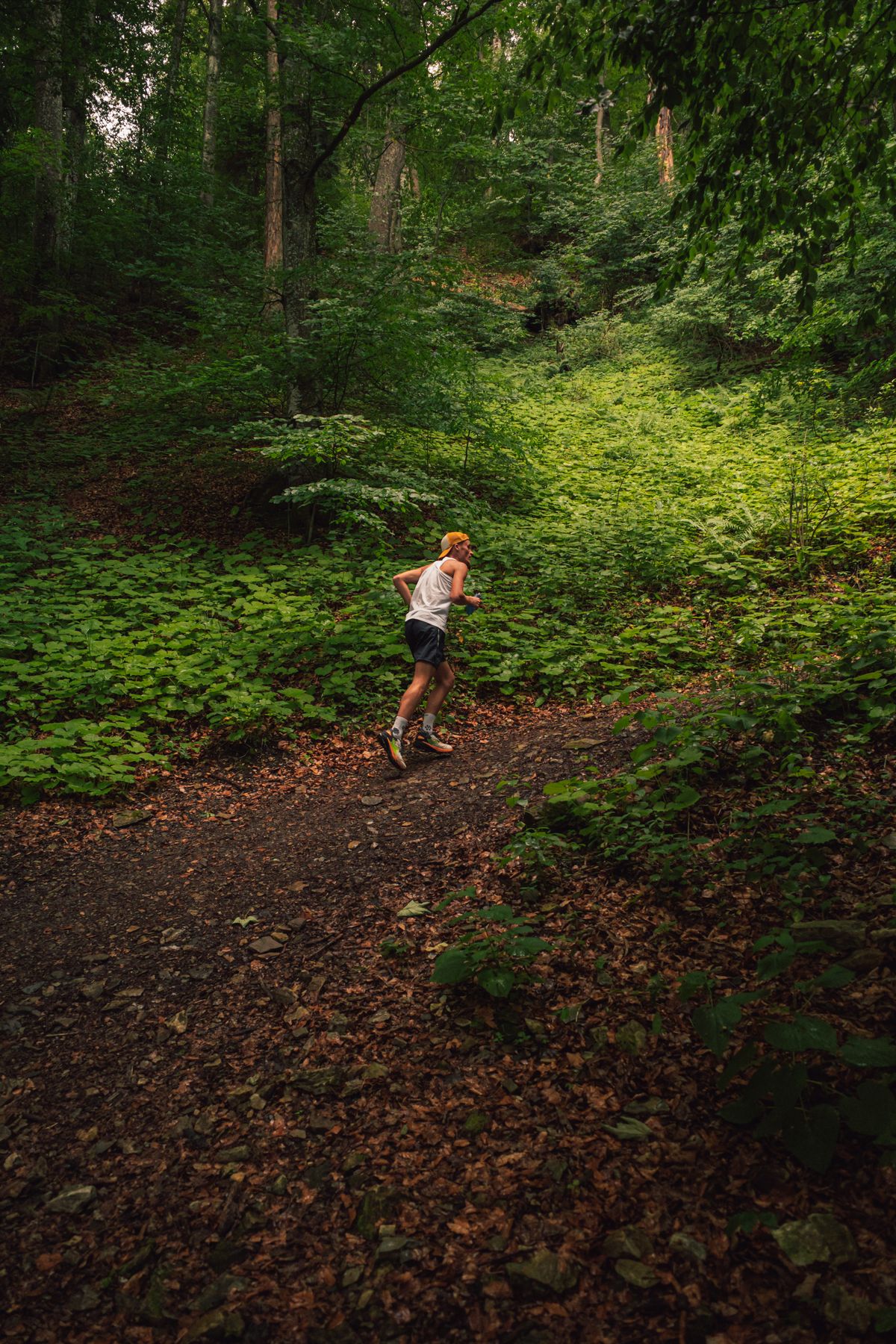
Move from park paths to your first trail
A first trail does not need a summit. A short change of surface can teach you more than a route that adds distance, climbing and navigation all at once.
Read article ↗
Read the ground a few steps ahead
Looking ahead on a trail means collecting useful information, not staring at a fixed distance or trying to predict every footstep.
Read article ↗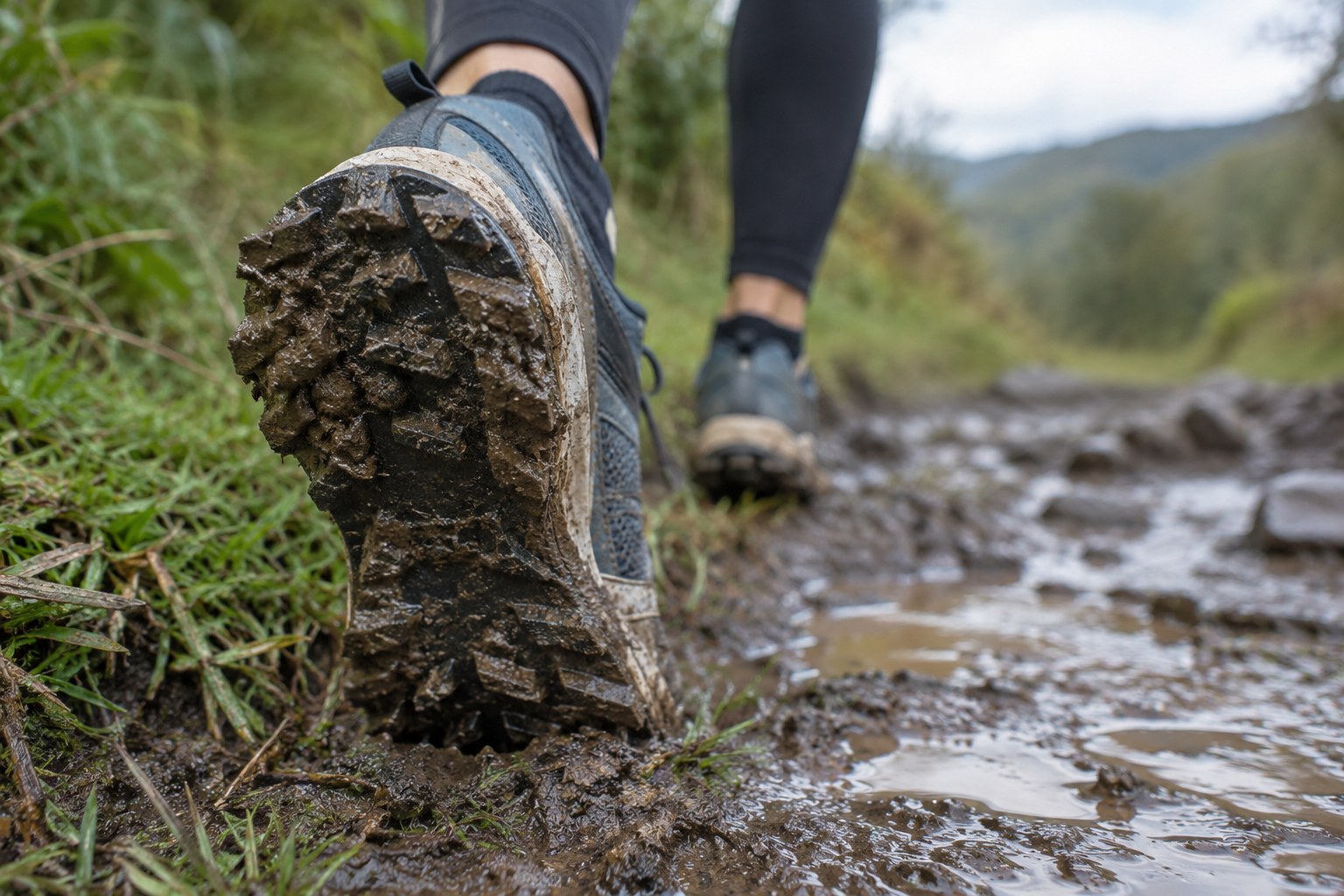
Choose footwear for a muddy outing
Mud is a route condition first and a footwear question second. Start with the ground you expect, including the sections that are not muddy.
Read article ↗
Walk steep climbs before effort runs away
Walking a climb can be a deliberate part of a trail outing. Decide early enough to keep the change calm, rather than waiting until continuing to run becomes a struggle.
Read article ↗
Approach a rocky descent with room to react
A rocky descent is easier to assess before speed builds. Leave yourself options: walking, pausing in a safe place or returning by a less demanding route.
Read article ↗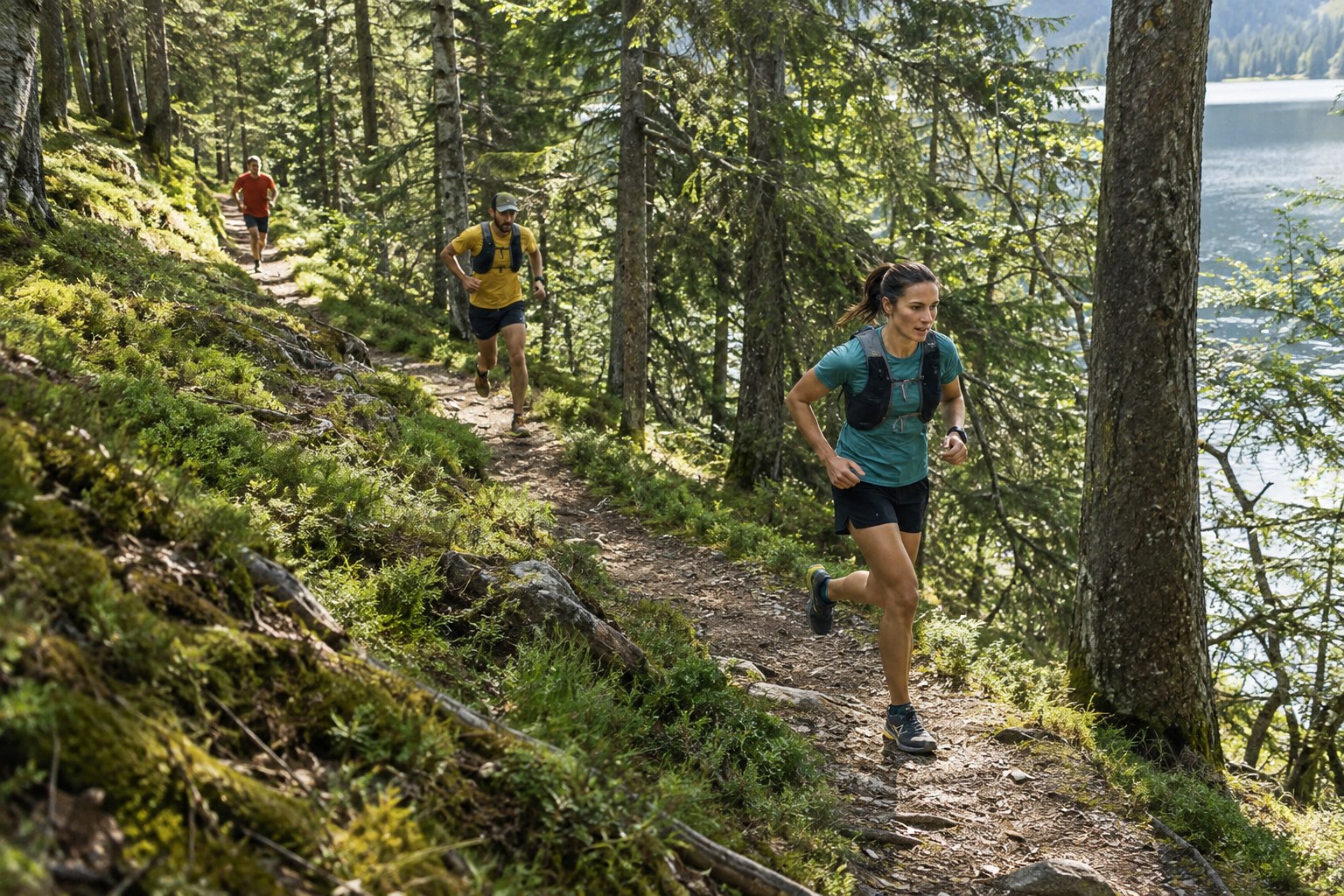
Leave space between runners on narrow paths
On a narrow path, spacing gives each runner a view and somewhere to respond. It also makes stops and changes of pace easier to communicate.
Read article ↗
Check an exposed ridge before committing
A ridge can change a sheltered outing into an exposed one within a few steps. Make the decision before reaching the section where turning around becomes awkward.
Read article ↗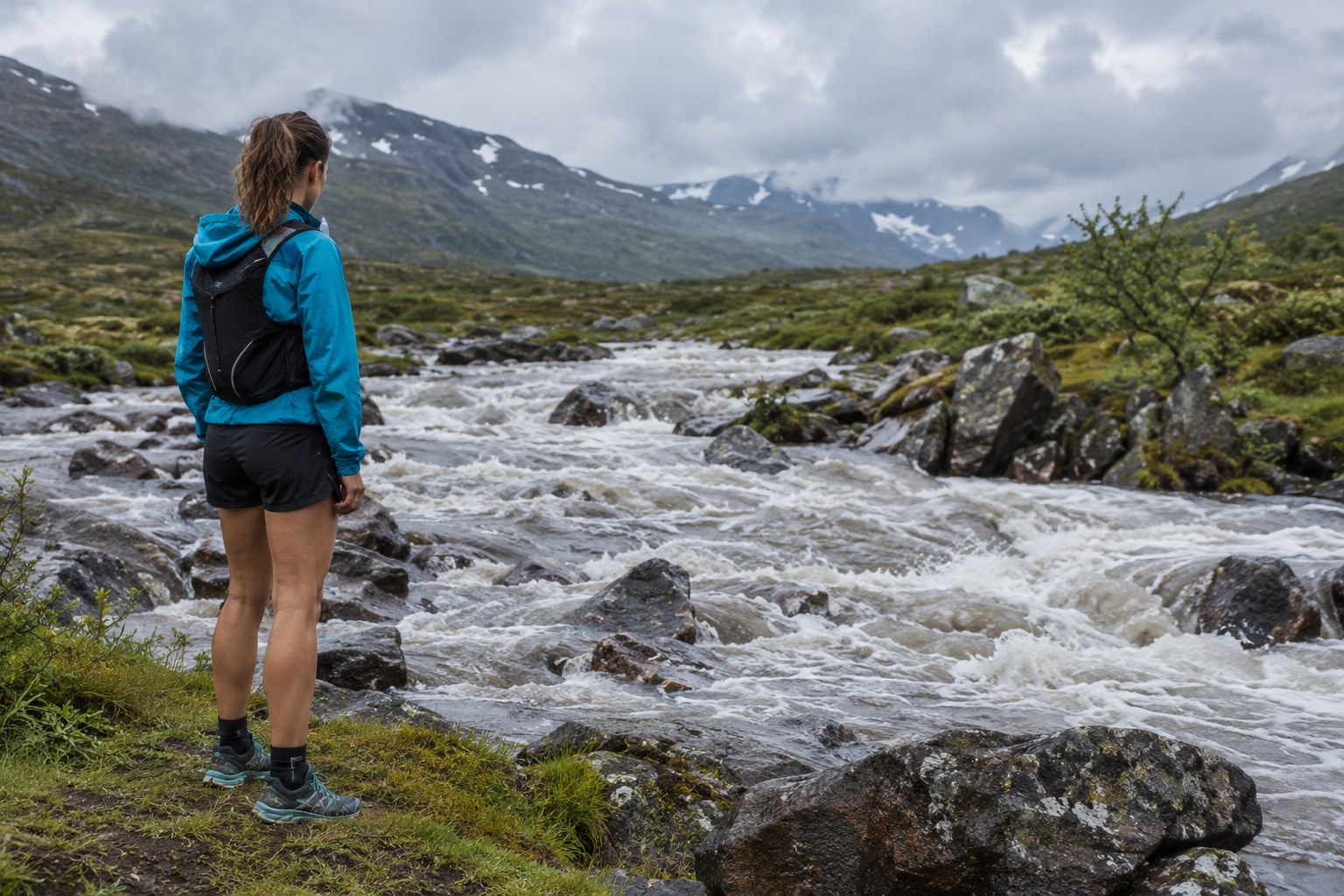
Turn back when a stream crossing looks doubtful
A doubtful stream crossing is a reason to change the route. Reaching the water does not create an obligation to get to the other side.
Read article ↗
Plan an exit from a forest loop
A forest loop is easier to shorten when the exit has been identified before it is needed. Look for a real connection to your starting point, not just a path heading towards a road.
Read article ↗
Share paths with walkers without surprises
Passing walkers comfortably starts before you reach them. A slower approach and a clear greeting give everyone time to work out where there is room.
Read article ↗