On the trail
Terrain, weather and preparing to head off-road.
30 articles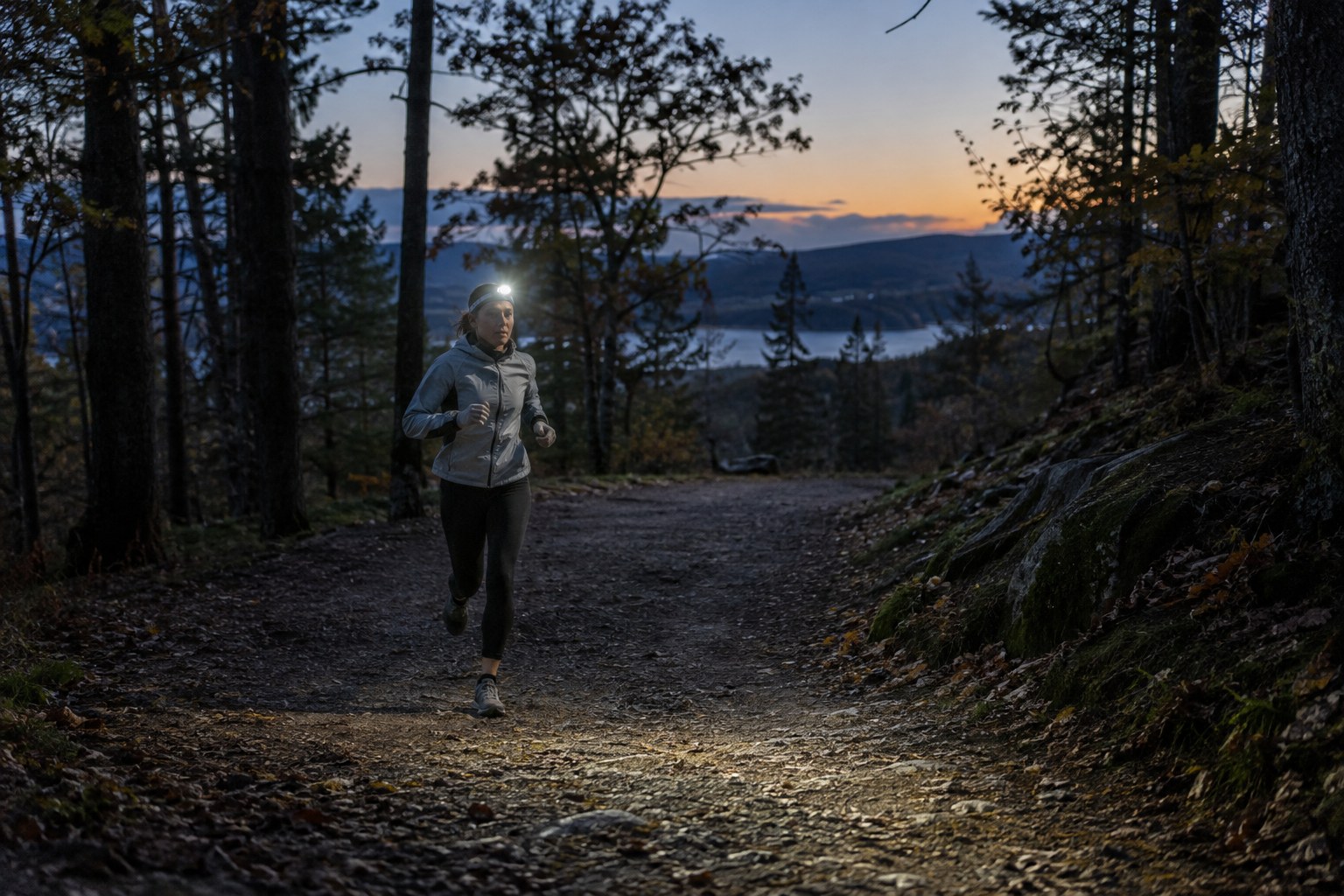
Make your first night trail a familiar route
For a first night trail, keep the route familiar and the return short. Darkness is already a new variable; you do not need to add unfamiliar junctions or difficult ground.
Read article ↗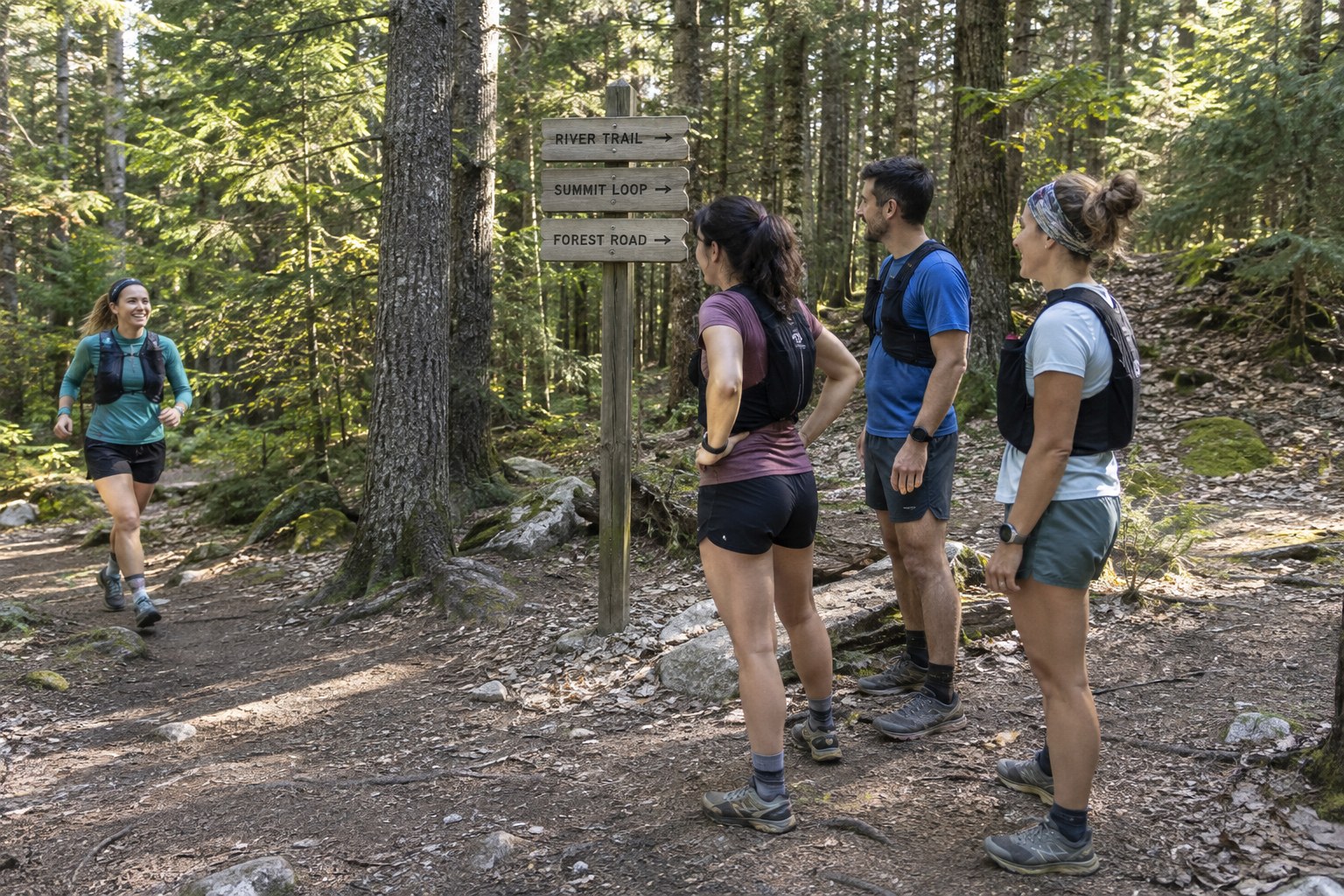
Keep a group together at junctions
A group can separate at a junction even when the runners are only moments apart. Make waiting at a turn an agreed action rather than an assumption.
Read article ↗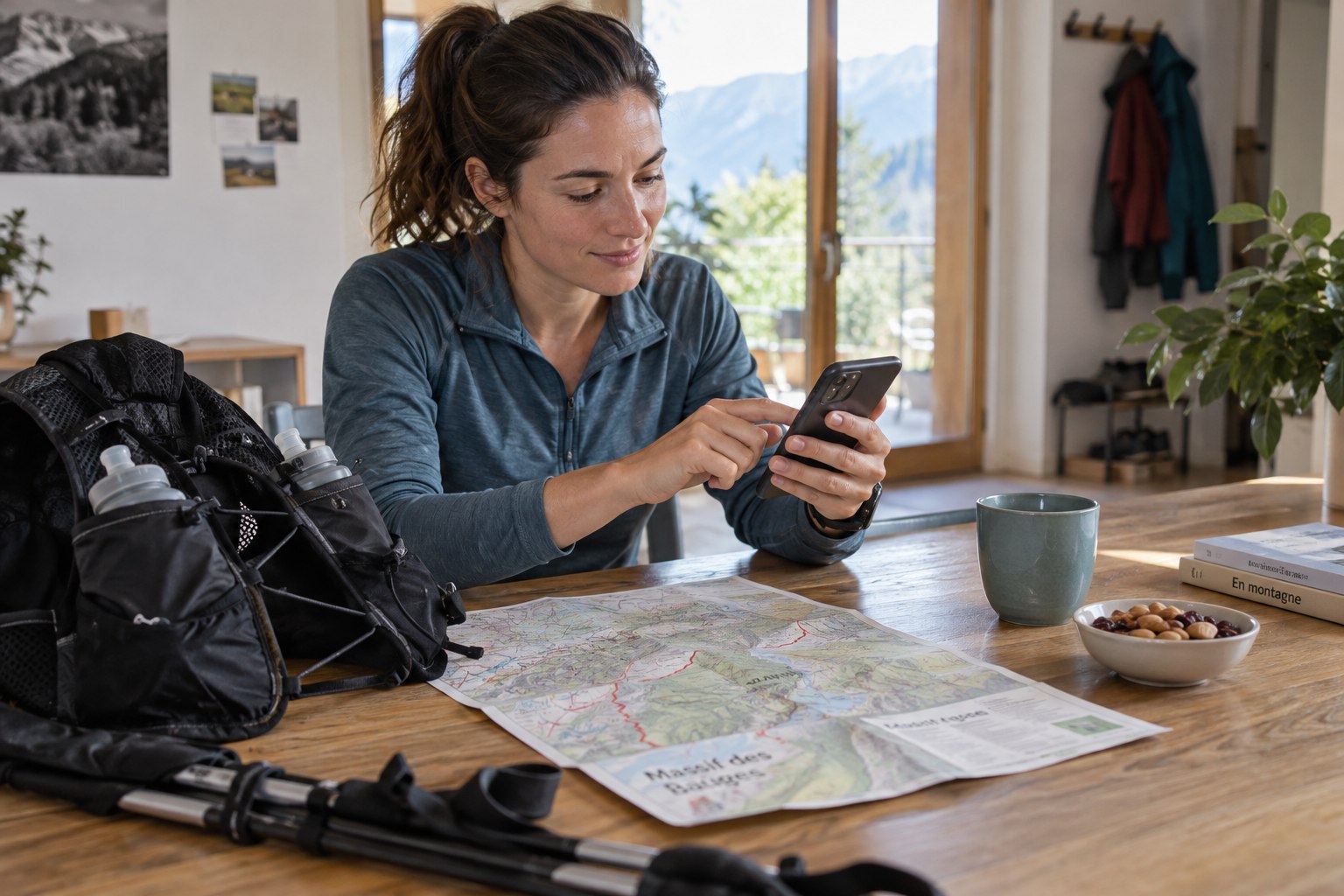
Tell someone where your trail outing is going
A useful route message tells someone what you intend to do and what to expect if plans change. It should be understandable without access to your running app.
Read article ↗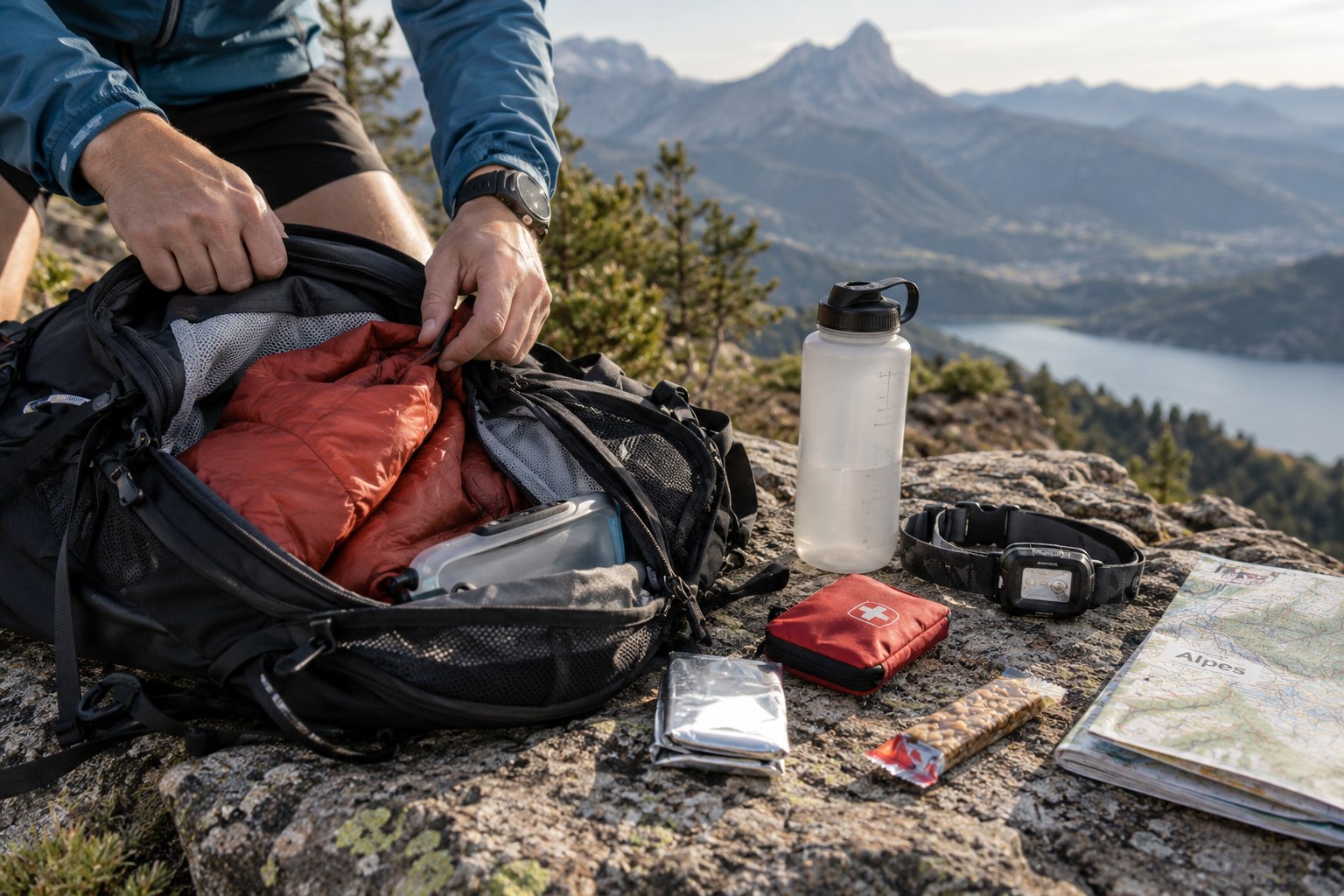
Pack for a delayed return rather than an ideal outing
A kit list based only on a smooth outing can leave awkward gaps when progress slows. Think through a delayed return while you still have time to change the route and packing.
Read article ↗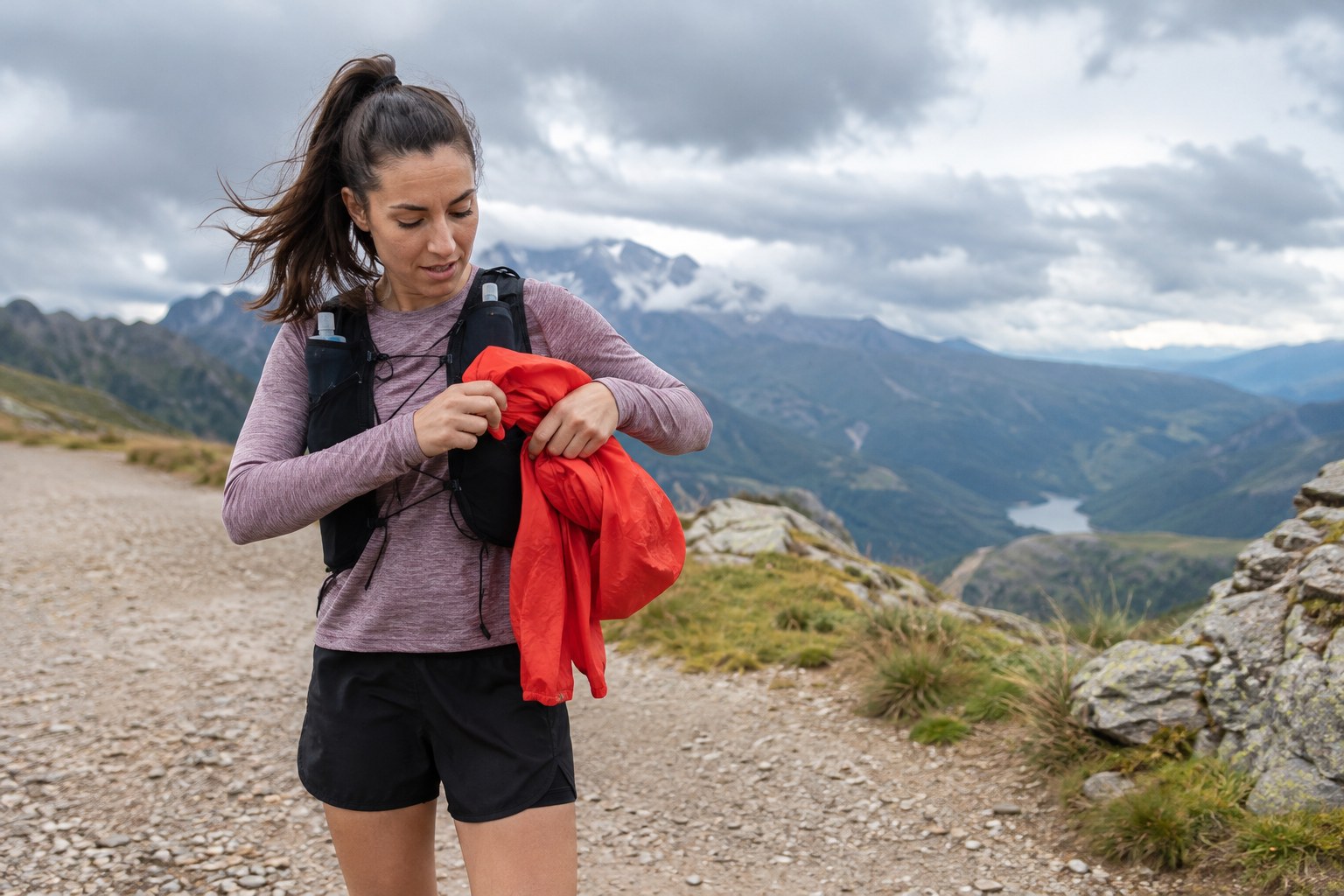
Practise taking out your jacket before rain arrives
Practising with a jacket is mainly a packing exercise. Find out what must move before the jacket comes out, while the ground is dry and the light is good.
Read article ↗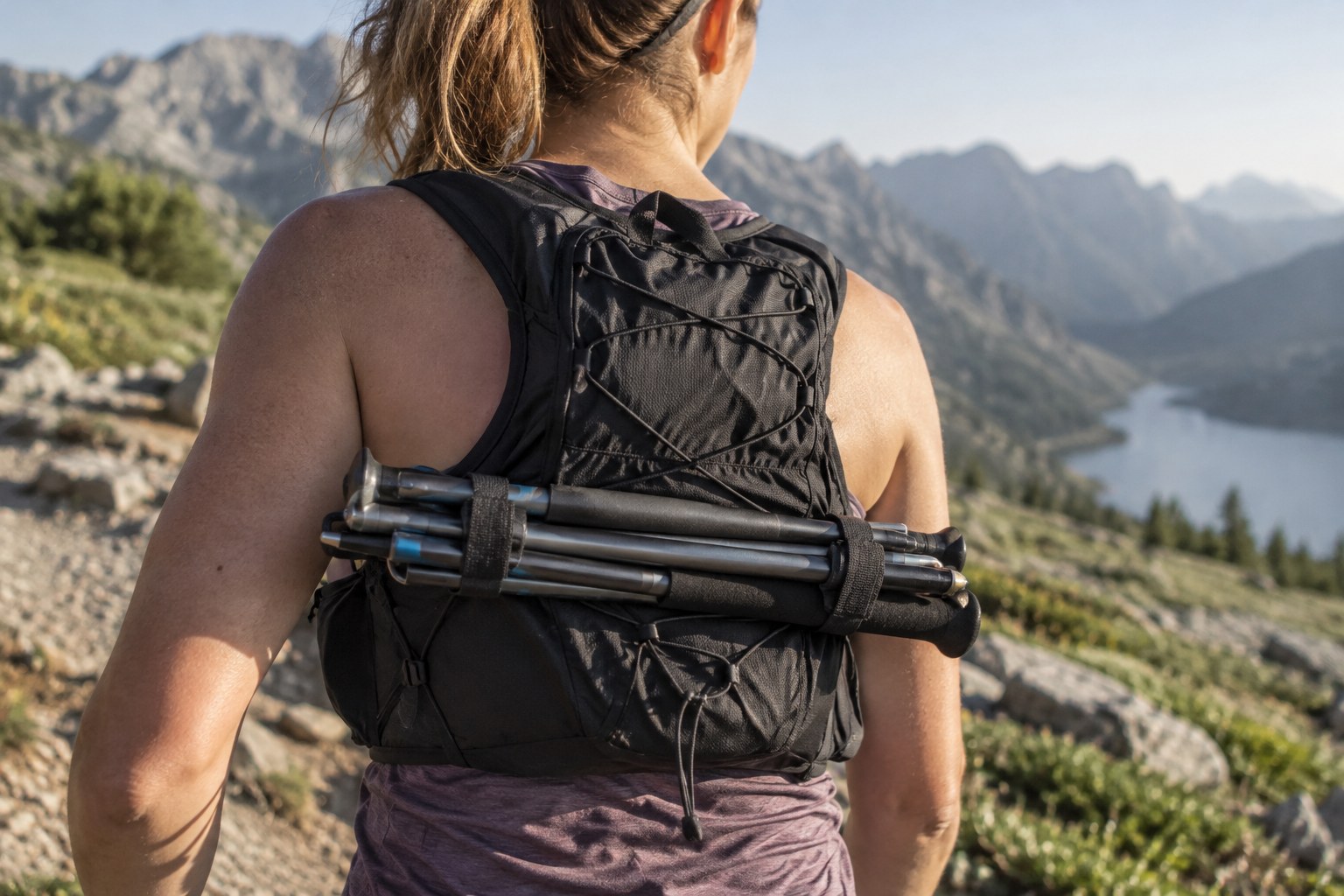
Store folded poles without leaving loose straps
Folded poles need a carrying position that stays secure when you move and does not interfere with other people. Test both the storage and the act of putting them away.
Read article ↗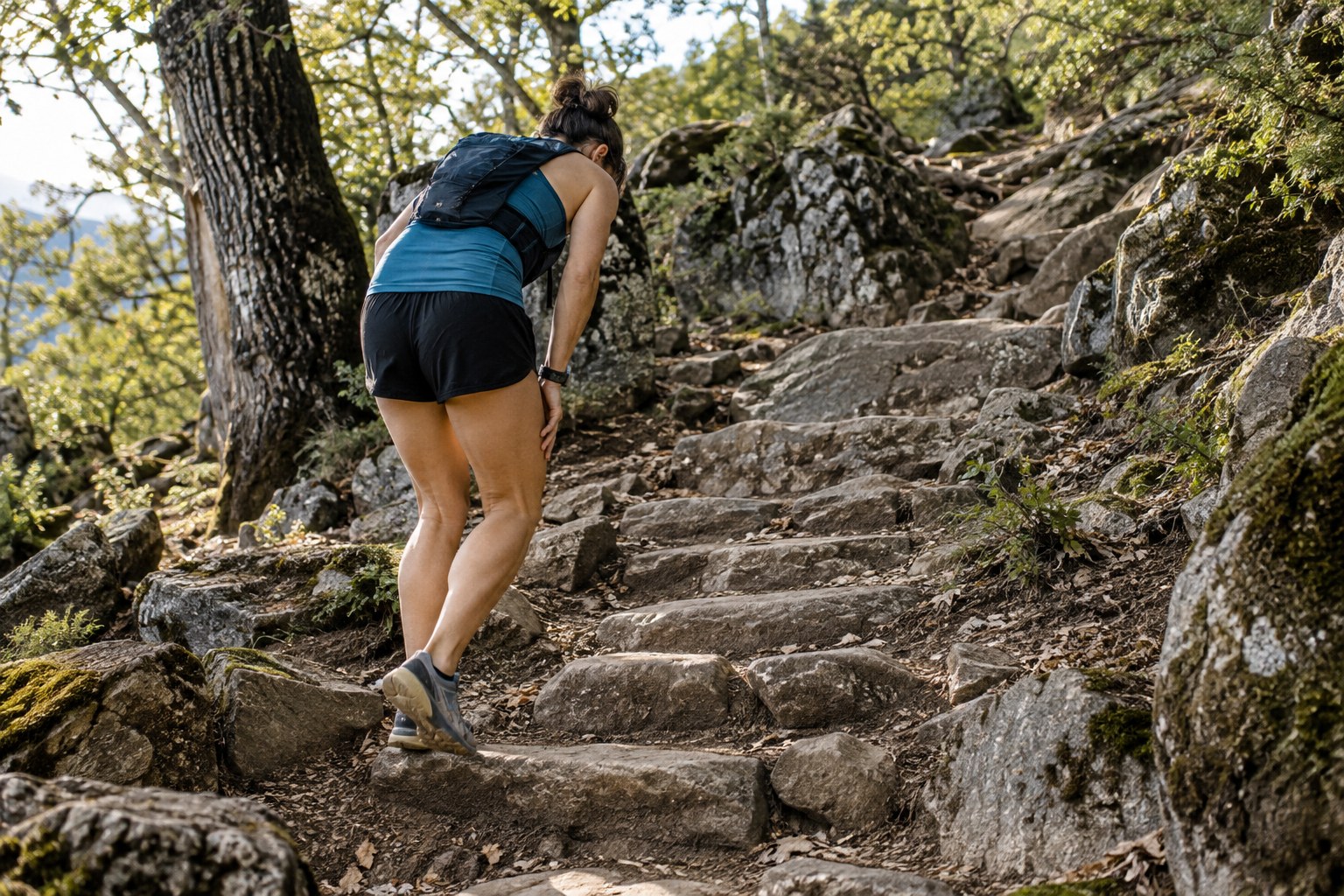
Recognise when a runnable path becomes a hike
A route can stop being a running route for you without changing its name. Recognise the point where walking becomes the appropriate way to assess and continue—or to turn back.
Read article ↗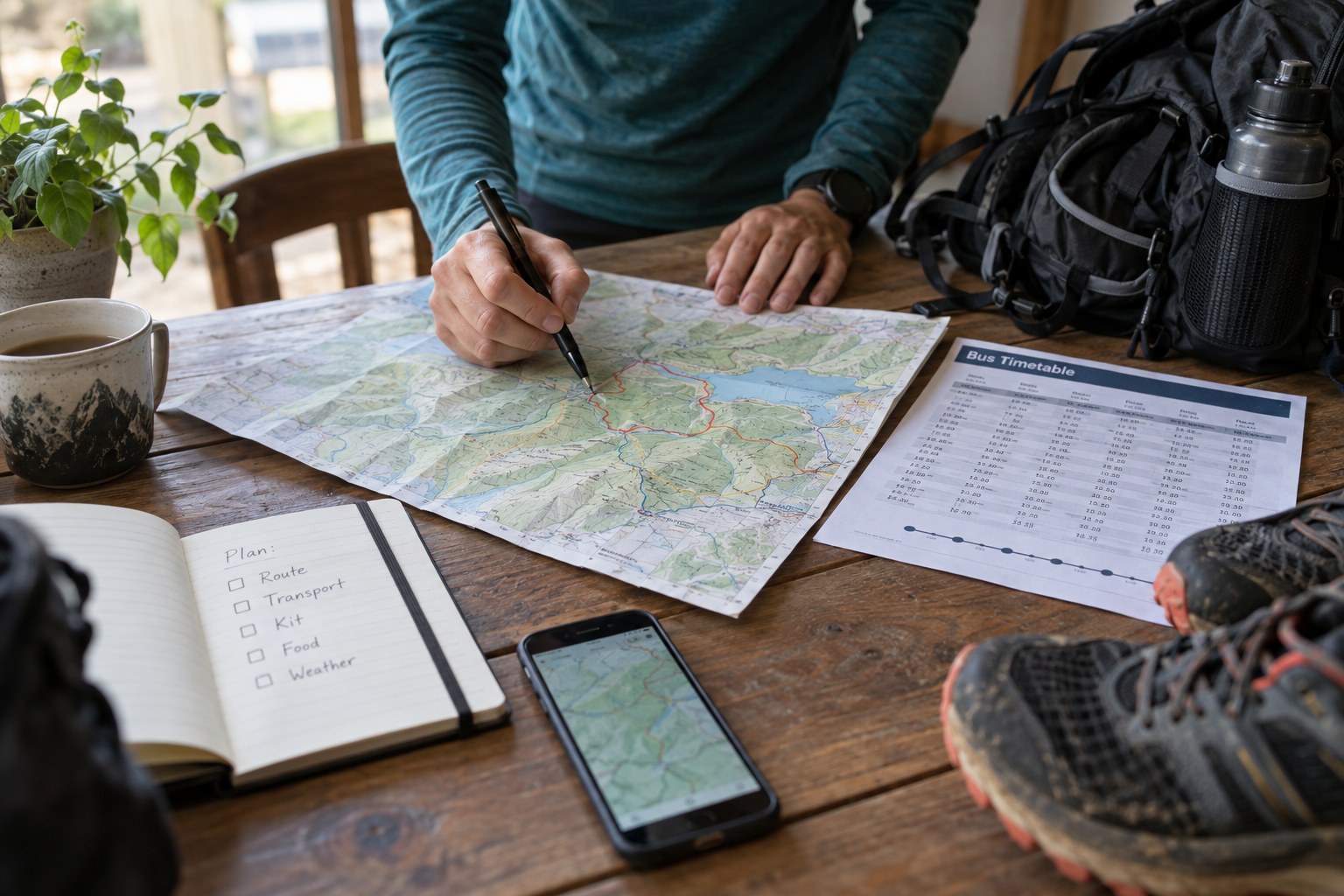
Plan a point-to-point trail with a return option
A point-to-point trail has two routes to plan: the one you run and the one that gets you home. Test the second before committing to the first.
Read article ↗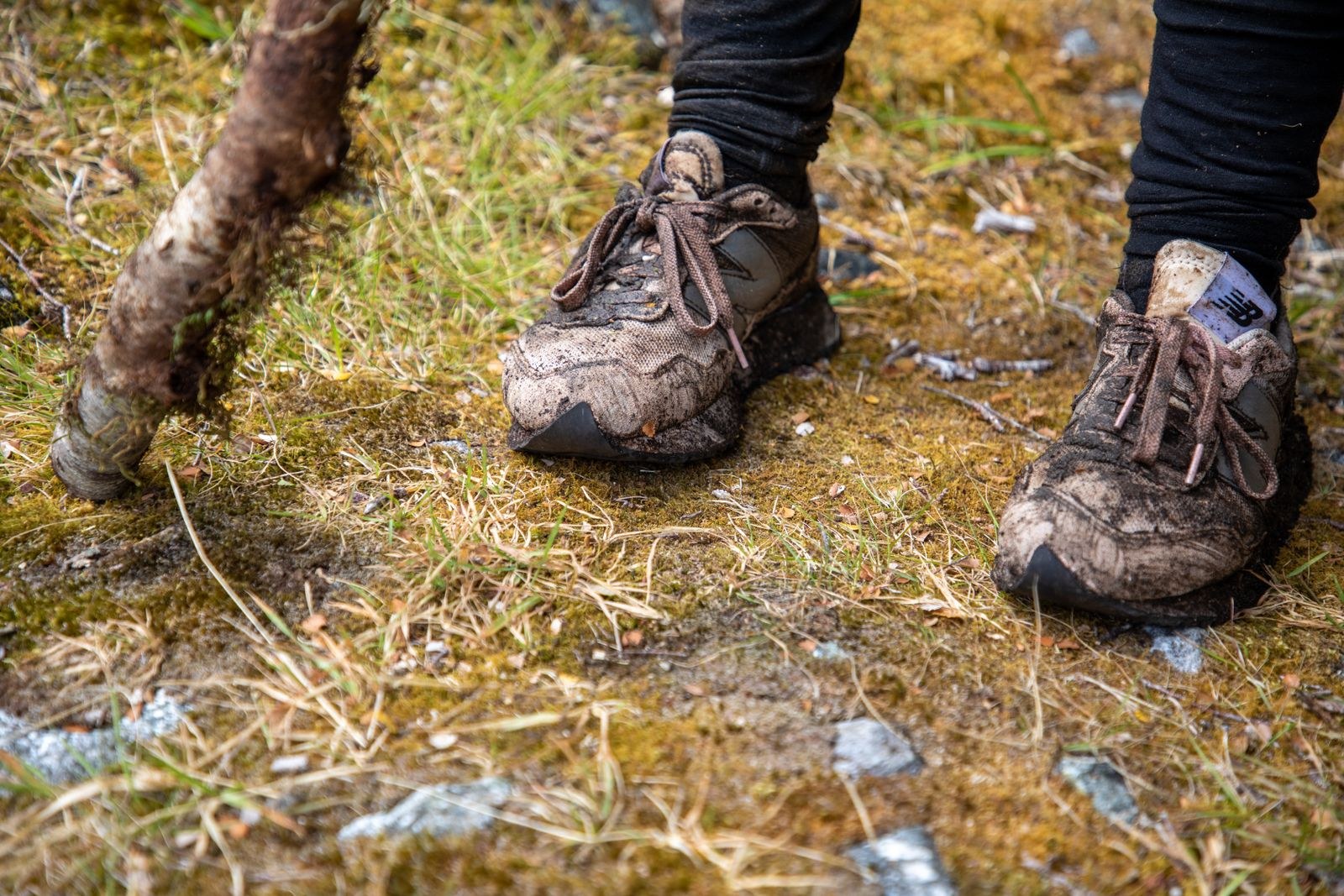
Check footwear and kit after a muddy trail
A muddy outing ends with a useful inspection opportunity. Remove enough dirt to see the equipment, then separate ordinary cleaning from anything that needs repair.
Read article ↗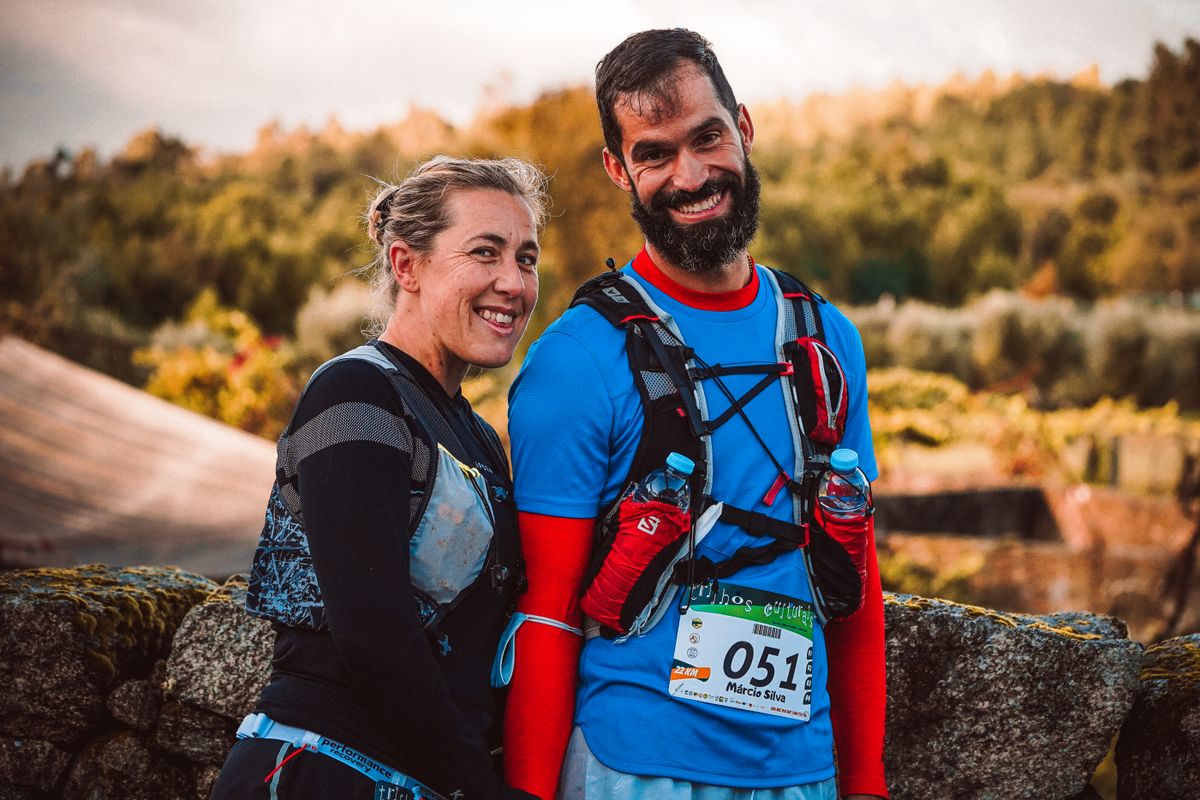
Choose a trail companion and agree the plan
Choosing a trail companion is partly about agreeing on the outing. Similar running speed helps less than a shared understanding of the route, stops and willingness to change plans.
Read article ↗