Judge the climb you can see
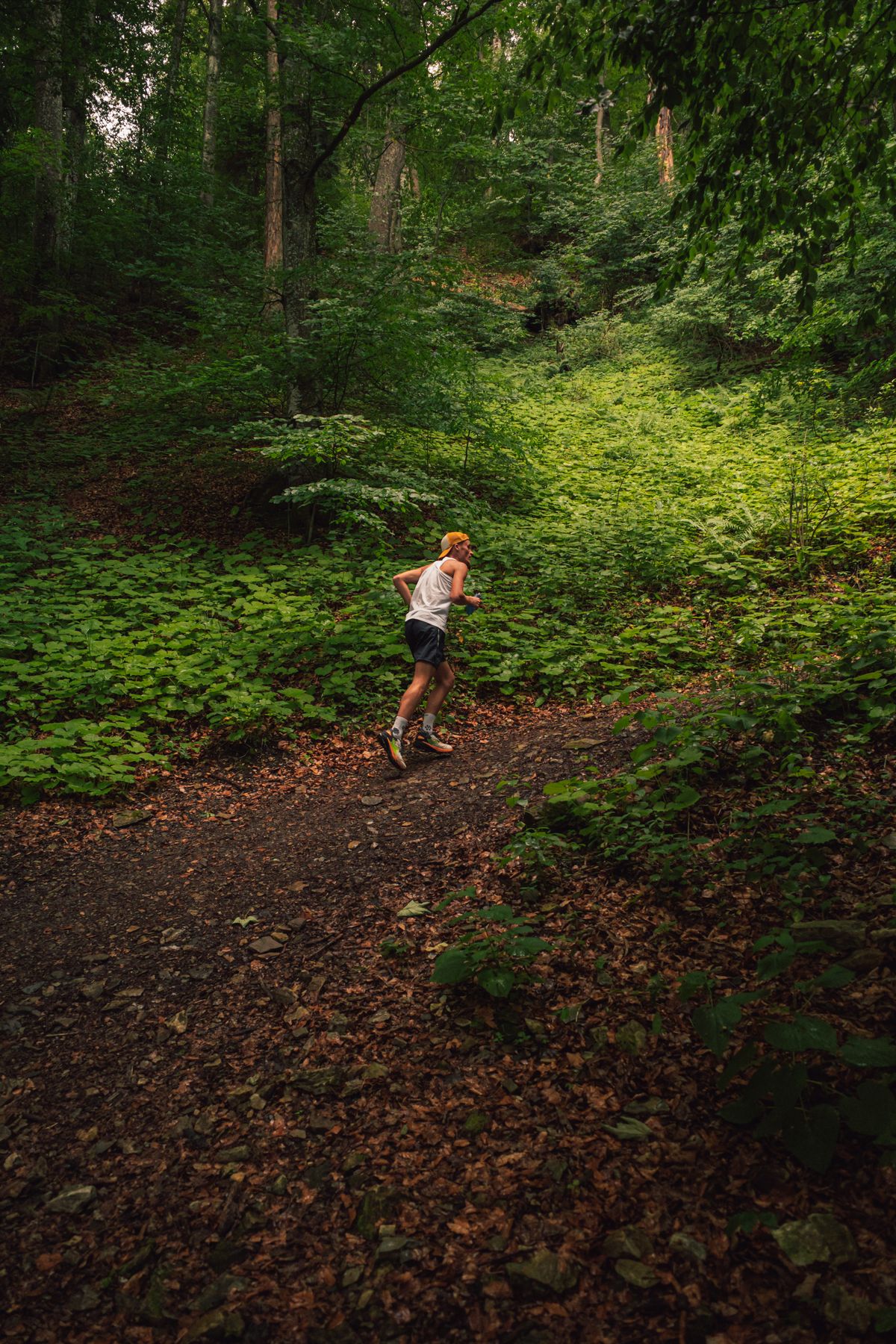
At the bottom, look at the slope, surface and apparent length. A short rise with a clear top is different from a bend that hides more climbing. If you cannot see where the gradient eases, allow for the possibility that it continues. You do not need to run the first half simply because the second half is unknown.
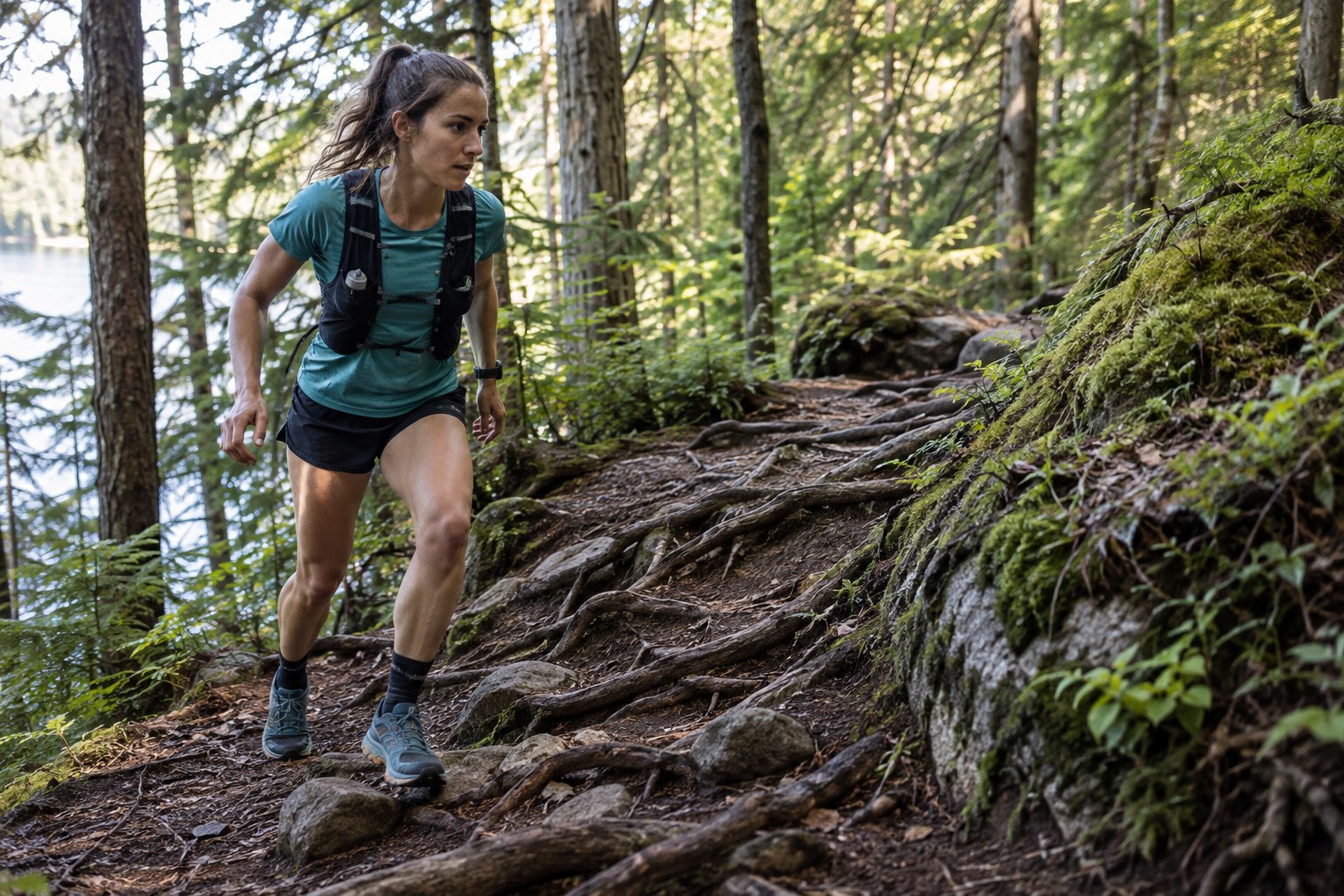
Start walking while you still feel in control of the effort. Let the pace suit the ground and keep your attention on footing. There is no requirement to imitate a powerful hiking style or take very long steps. A rhythm you can maintain while observing the path is more useful than copying the runner ahead, whose plan and experience may be different.
Do not turn the summit into a second test
When the path becomes easier, continue walking briefly if that is what lets you settle. The top of a climb can include a junction, a change of surface or an exposed section. Check those details before accelerating. Reaching a flatter patch does not create an obligation to recover every second you think you lost on the ascent.
In a group, agree that walking is normal before the climb begins. Otherwise, someone may keep running merely to avoid being the first to change pace. Wait at a safe, spacious point rather than stopping where the path narrows. Regrouping should leave the last arrival time to look around and organise clothing, not launch the next section as soon as they reach you.
Use the next outing to refine the choice
Record where you changed to walking and how the rest of the route unfolded. Perhaps you reached the descent with more attention available, or discovered that the steep section was much longer than expected. These are useful observations even when the recorded average pace is slower. A trail outing has more moving parts than a single speed figure can describe.
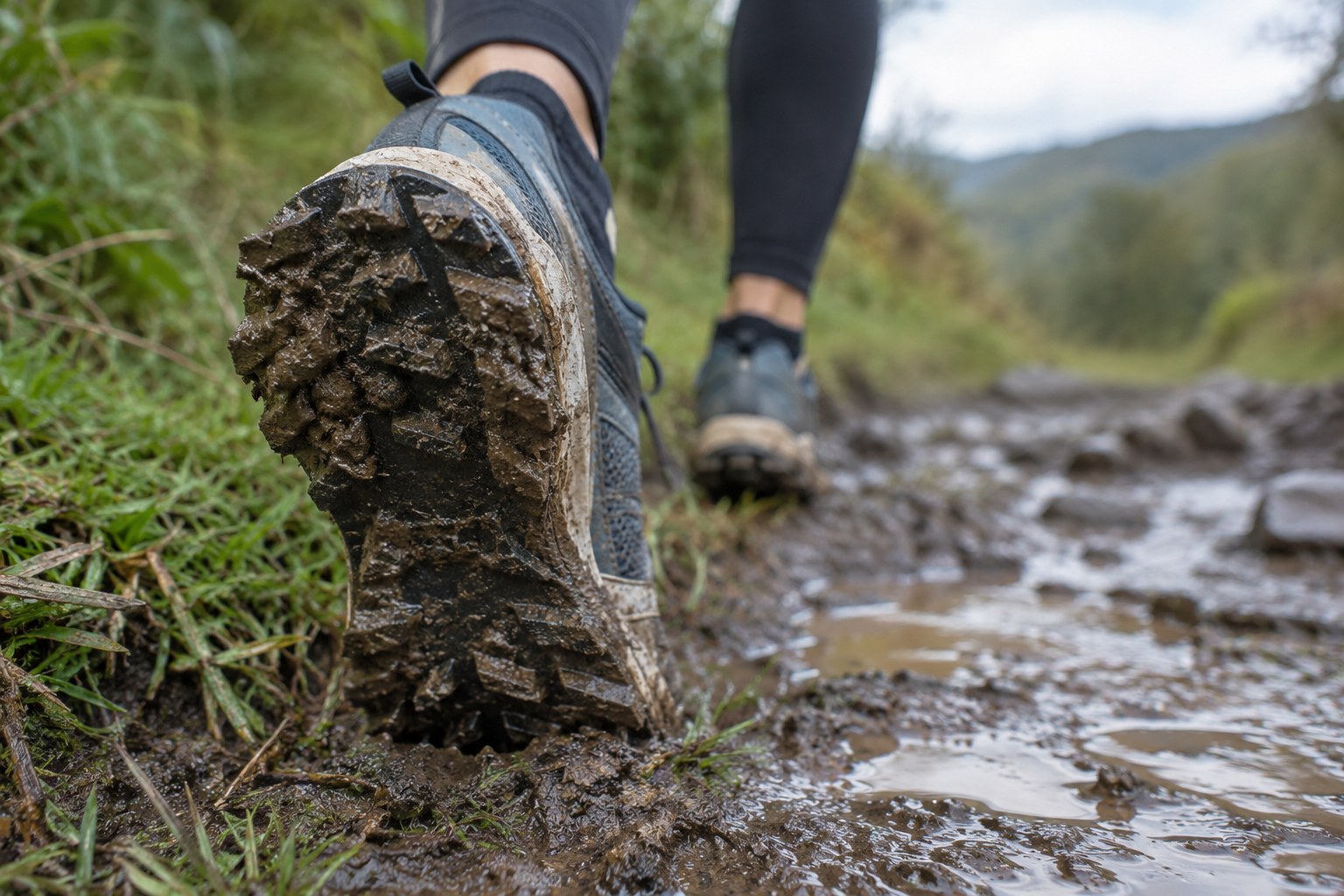
If you want to revisit the climb, keep the surrounding route manageable and compare your decisions rather than forcing a faster result. Weather and footing may change the sensible choice. An ascent that felt straightforward in dry conditions can deserve a slower approach when wet or crowded. Walking remains an available tool throughout the route, not something you must earn by first struggling to run.