Before you head out
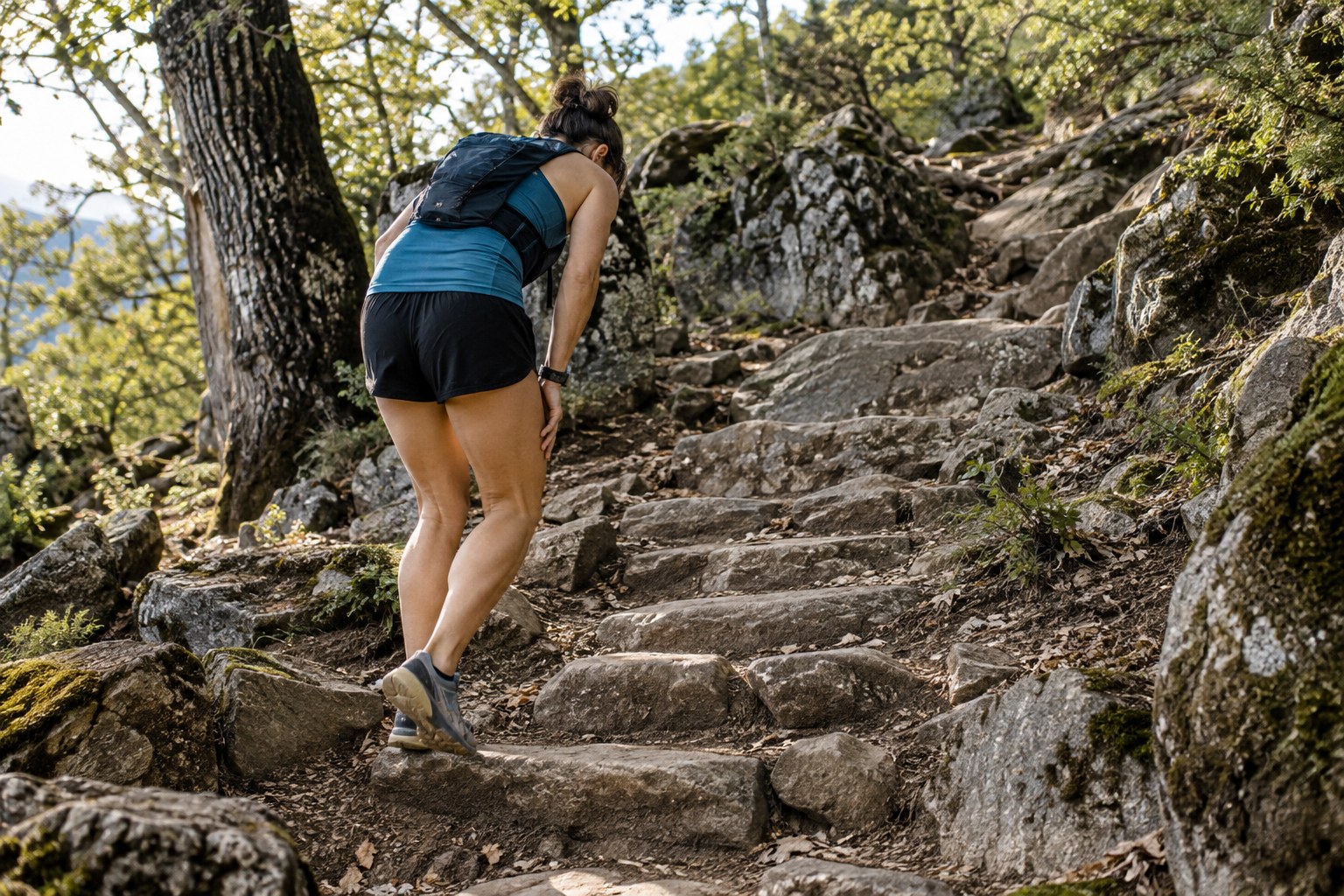
Recognise when a runnable path becomes a hike
A route can stop being a running route for you without changing its name. Recognise the point where walking becomes the appropriate way to assess and continue—or to turn back.
Read article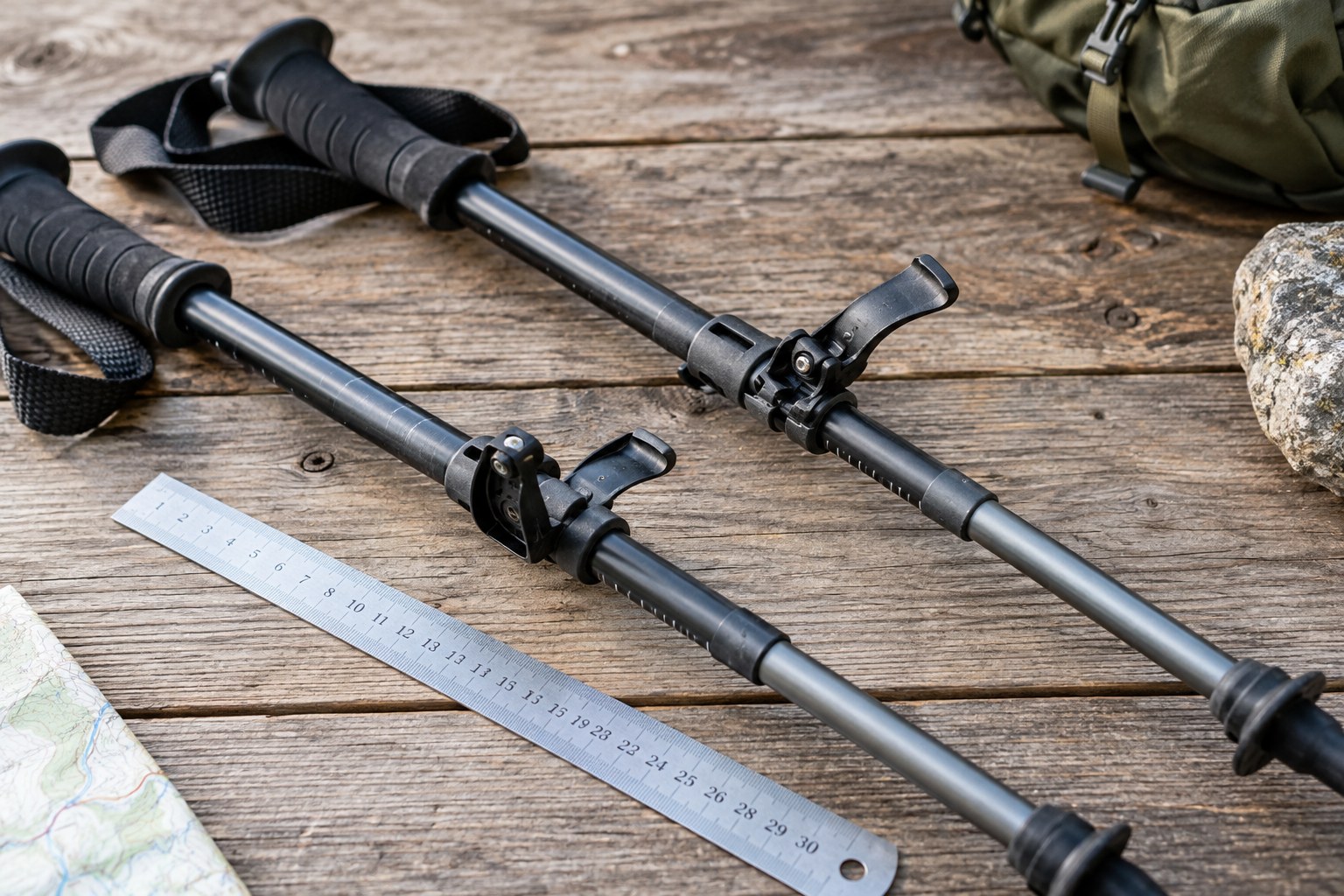
Check pole length and locking systems
Pole length and locking depend on the actual model. Learn the intended setup before the outing, and do not use a slipping mechanism as something to adjust experimentally on steep ground.
Read article
Run by effort when travelling somewhere unfamiliar
An unfamiliar place changes more than the scenery. Crossings, surfaces, climate and navigation can make a usual pace target less useful. Give the first outing a modest purpose and let the effort follow the conditions.
Read article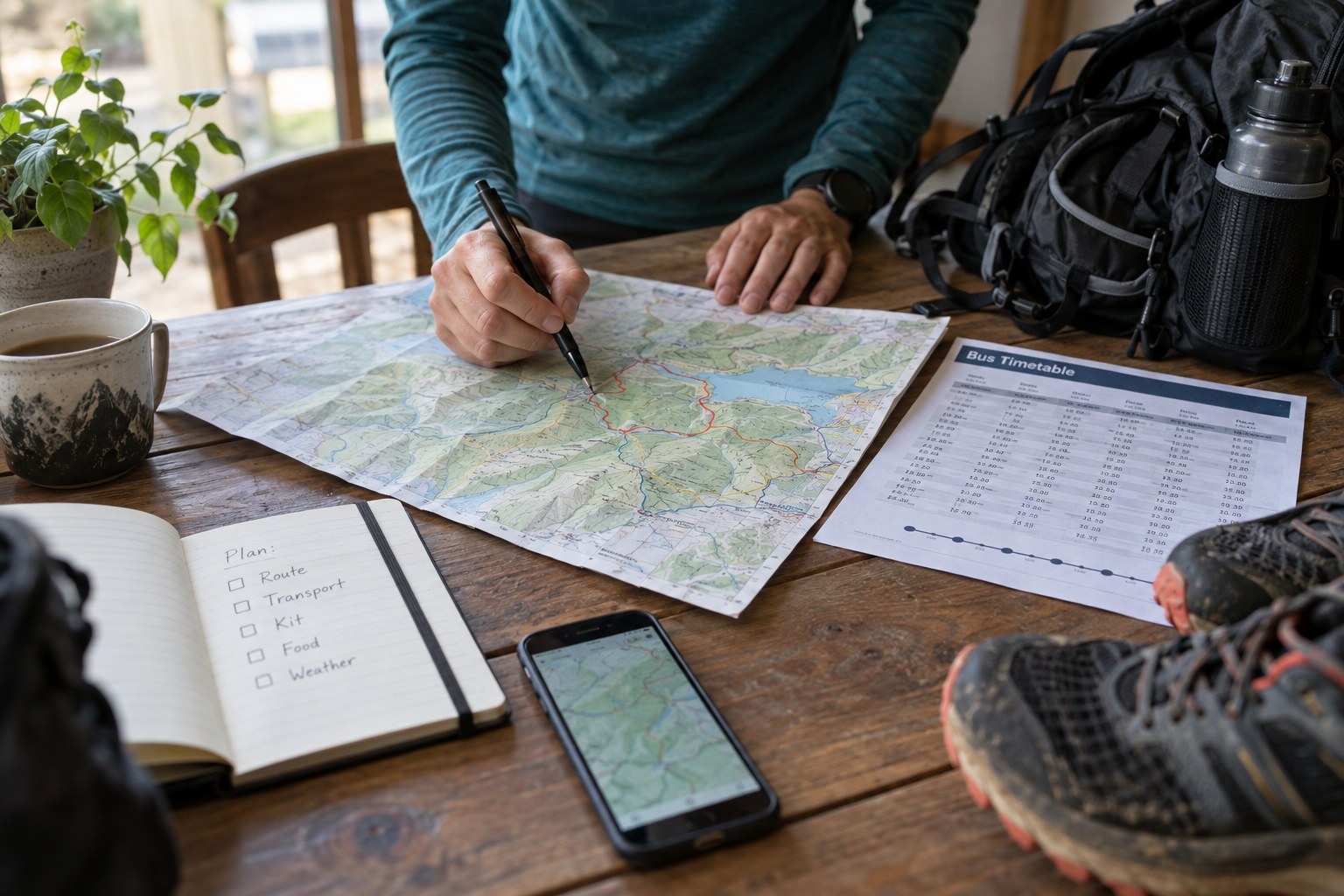
Plan a point-to-point trail with a return option
A point-to-point trail has two routes to plan: the one you run and the one that gets you home. Test the second before committing to the first.
Read article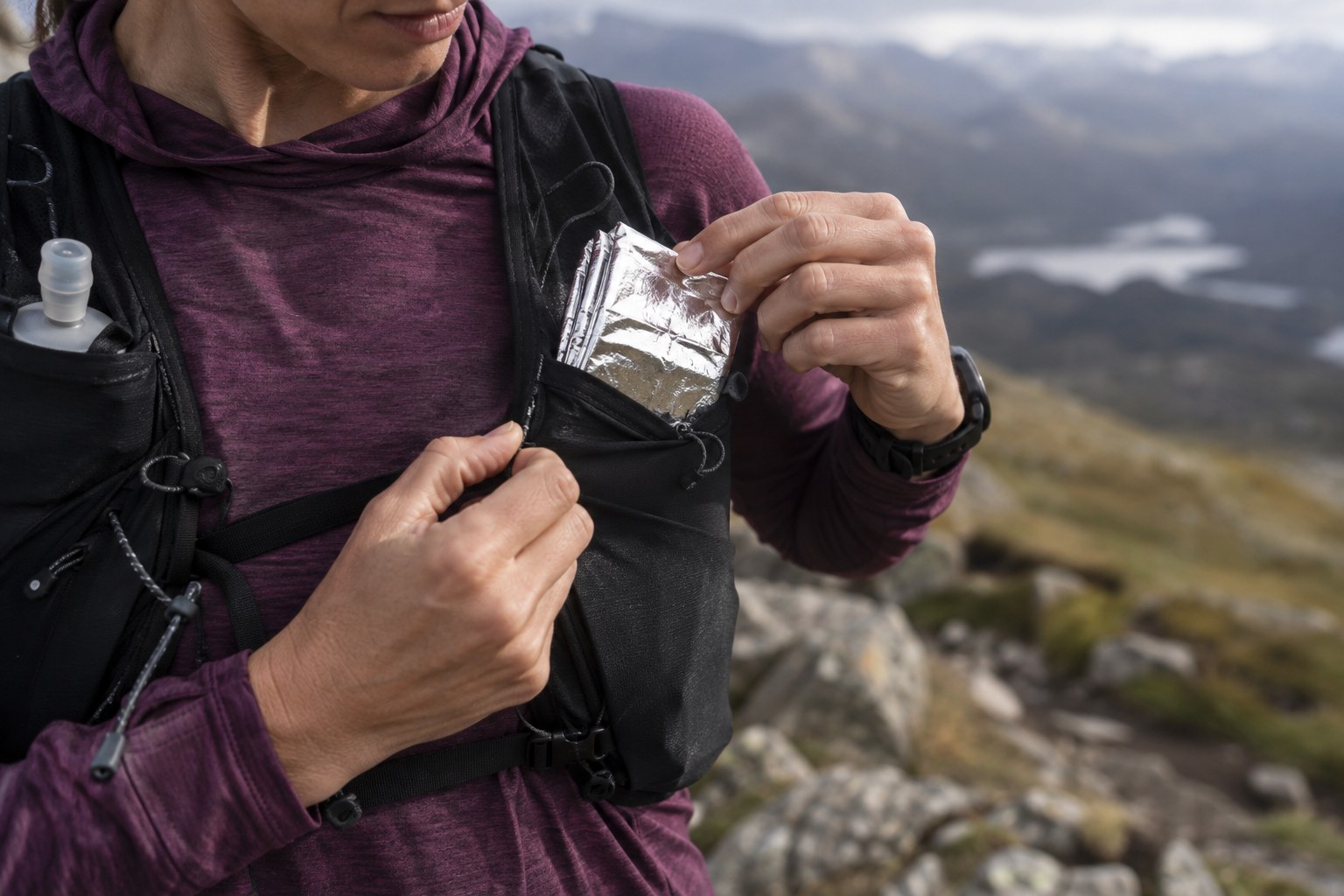
Carry an emergency blanket where you can reach it
An emergency blanket buried beneath the whole load is harder to find when plans go wrong. Choose its location, learn its instructions and keep its condition visible in your packing routine.
Read article