Start with the kind of day you want
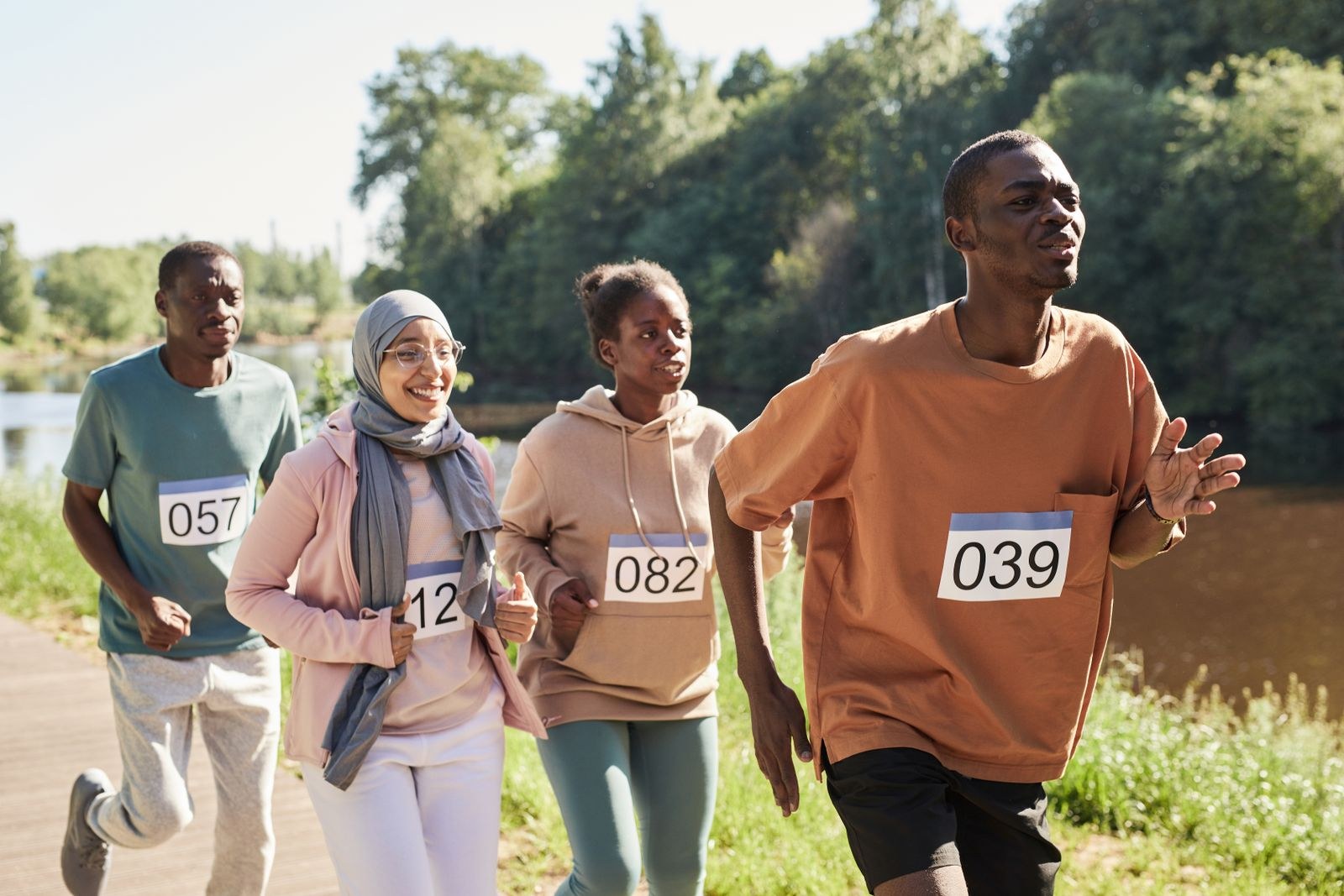
Ask whether you want a relaxed introduction to an organised start, company on a familiar distance or a reason to visit somewhere new. These are different aims. A large city event may offer atmosphere but involve queues and a long journey; a smaller local event may be easier to reach but provide fewer facilities.
Choose one main aim. If your priority is understanding how an event works, you do not also need a demanding time target, unfamiliar terrain and an overnight trip. Removing those extra decisions leaves more attention for registration, the start and finding your way afterwards.
Read the organiser's information
Check the actual route, surface, start arrangements and any stated time limits. An event title is not a complete description. Look for the current participant information rather than relying on an older runner's account or last year's route map. If walking is part of your intended approach, check that it fits the event's rules and arrangements.
Confirm what entry includes and what you must provide. Transport, bag storage, required documents and equipment can differ. Avoid assuming that a facility exists because another event had it. Write down unresolved questions and ask the organiser before paying if the answers affect whether you can take part.
Give the goal an adjustable shape
A useful first goal might be arriving with time to spare, starting in the appropriate place and completing the outing within the organiser's arrangements. You can still care about the running without making an exact finishing time the only acceptable outcome.
Think through what would lead you to change plans. Travel disruption, unsuitable conditions or a health concern may mean not starting. Knowing that possibility beforehand keeps the entry fee from becoming the deciding argument. An event is an opportunity, not a debt owed because a place was booked.
Plan the finish as carefully as the start
Arrange where to meet companions and how to collect belongings. Check how you will get home if the day takes longer than expected. Keep dry clothing and food arrangements realistic rather than assuming the finish area will solve everything.
Once you have participated, record what you would repeat and what you would simplify. Perhaps a nearer start would help, or a smaller event would suit you better. That information gives the next goal a firmer basis than immediately choosing a longer distance.