Choose the route before the pace
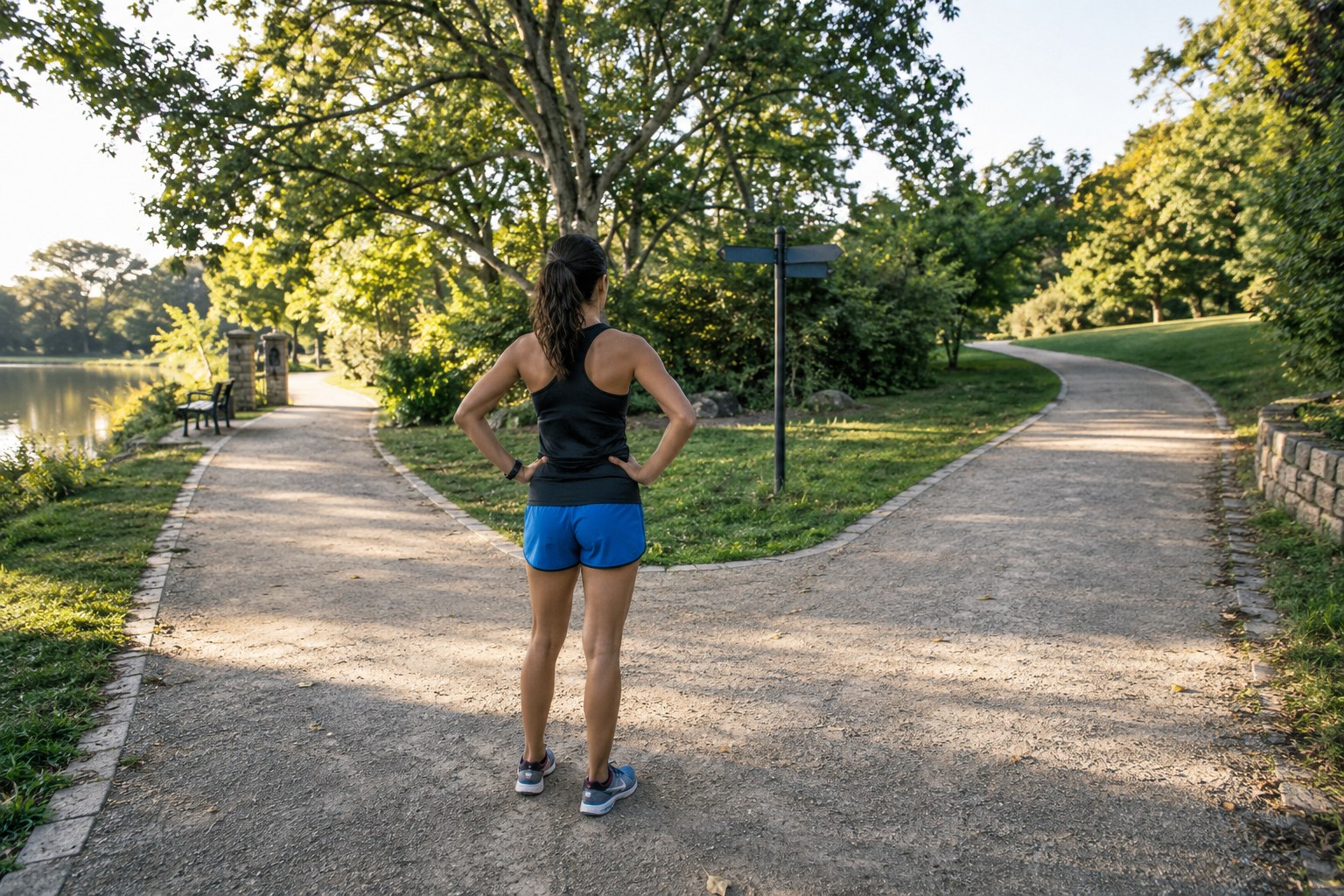
Look for a short, familiar circuit with a reasonably even surface and a clear connection to the entrance. A route that passes your starting point is easier to shorten than a long outward journey. Check opening hours, shared cycle paths and any works before deciding where to go. The aim is to remove small uncertainties, not to discover every corner of the park on your first visit.
Walk the first part and notice where you would prefer to run. A quiet, open stretch gives you room to settle into movement without immediately negotiating gates, dogs on long leads or a steep slope. Choose a visible landmark as an optional end point. It is a reference, not a line you have to reach.
Let walking remain part of the outing
Start with running periods that feel manageable and return to walking before you feel obliged to keep going. There is no need to make the first outing a test of uninterrupted running. The NHS Couch to 5K programme is one example of a structured approach that alternates running and walking; use the published programme if you want specific timings rather than inventing increasingly difficult targets as you go.
Keep the pace modest enough that you can pay attention to the path and speak comfortably. If a slope makes that difficult, walking is a useful adjustment. A watch can signal a change of activity, but checking the screen every few seconds can distract from the ground. A simple timer or a couple of familiar landmarks may be easier to manage.
Make the return straightforward
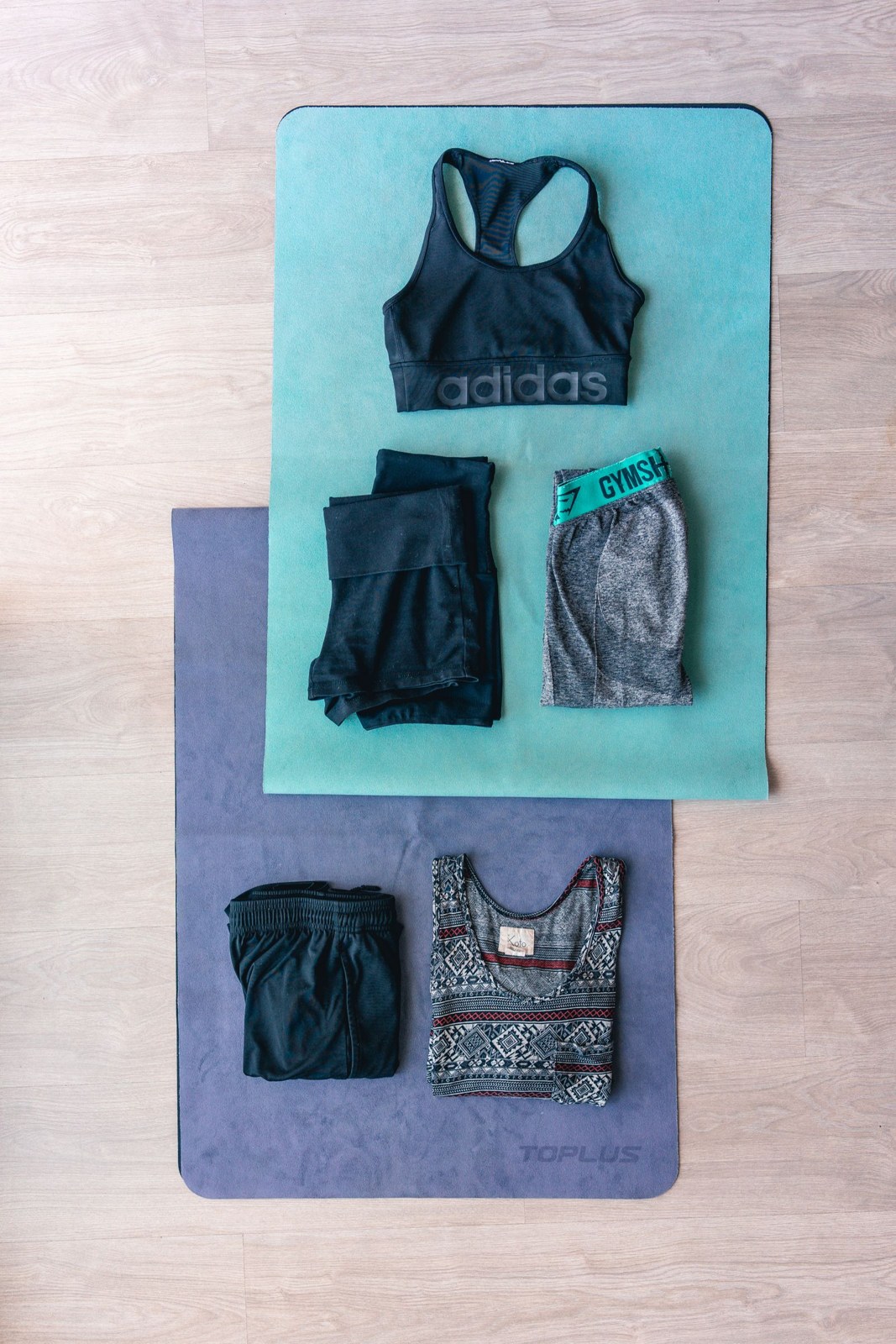
Leave enough time to walk back rather than making the furthest point the moment you need to stop. Keep your phone and keys in a secure pocket, and know where you can find shelter or leave the park. Clothing should suit the actual weather and the possibility that part of the outing will be walked. You do not need to buy a complete set of equipment to explore this first route.
Once home, record something concrete: which stretch felt comfortable, whether a junction interrupted the rhythm, and how the shoes or pockets behaved. Those observations help shape the next outing more than a comparison with another runner’s speed. Avoid adding another run simply to compensate for a short first attempt. If you have a health concern or symptoms that make activity uncertain, seek appropriate medical advice before treating a plan as suitable for you.