Name one exact location
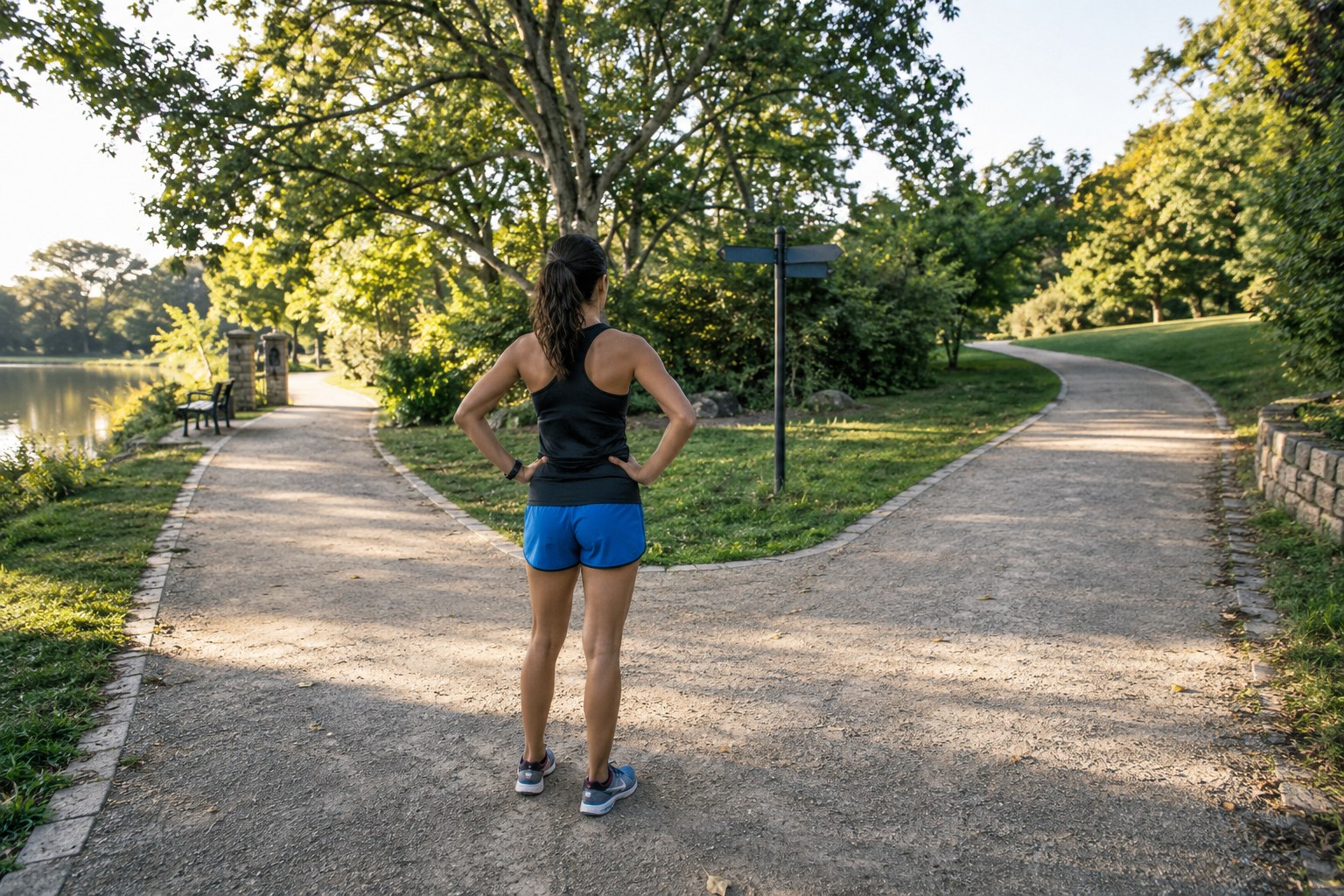
Use a specific entrance, sign or building rather than a large area such as 'the park'. Include the side of a road or the relevant gate if there are several. Send a map pin as a supplement to the description, then check that the pin points to a place people can actually reach.
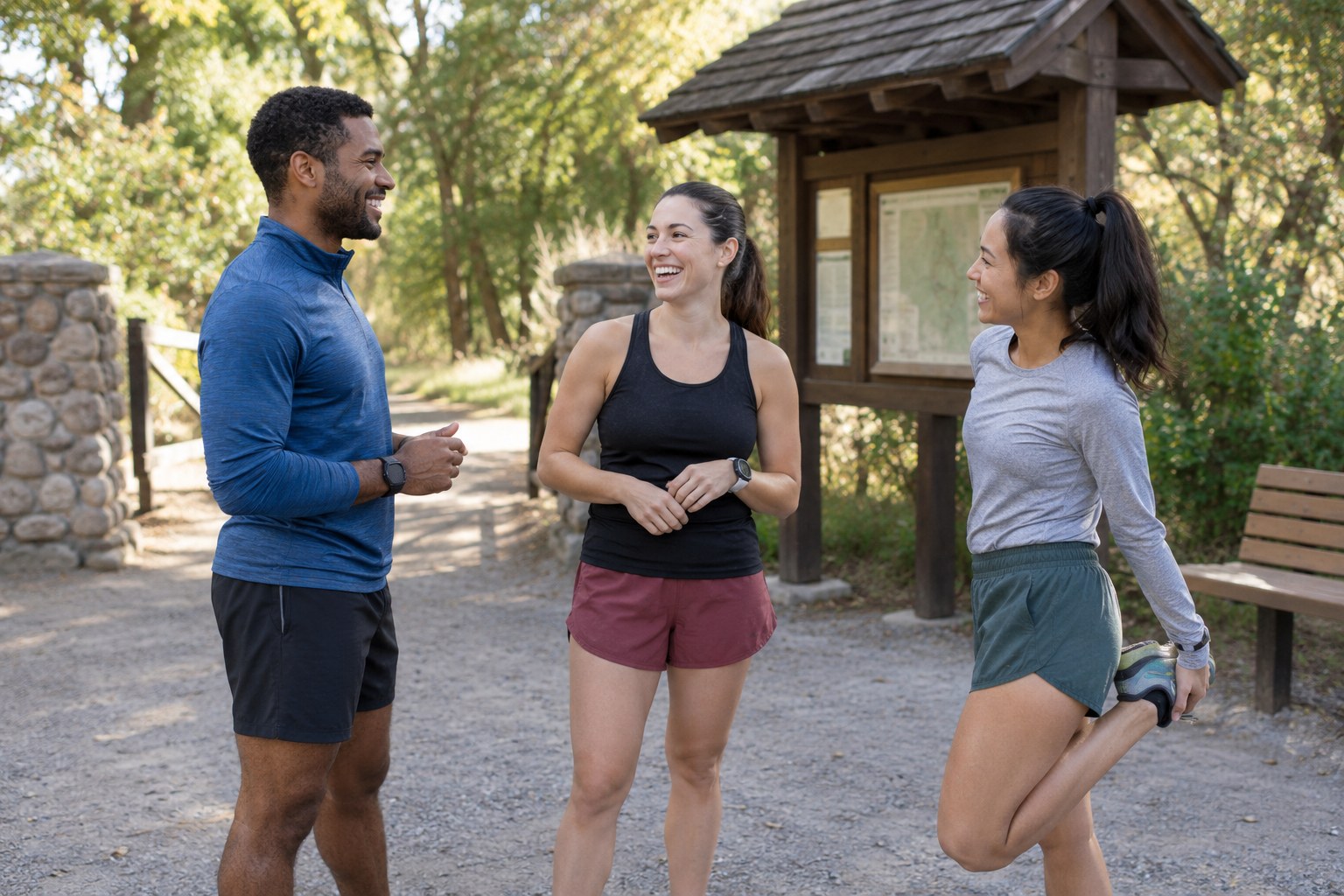
Avoid waiting in a cycle lane, vehicle entrance or narrow pavement. The group needs room to gather without obstructing others. If people arrive by different means, think about the walk from public transport as well as parking. A location convenient for one driver may be awkward for everyone arriving on foot.
Make waiting and leaving clear
Distinguish the arrival time from the departure time. If introductions or route instructions are needed, allow for them explicitly. Tell the group what happens when someone is late: a message to the organiser, a short agreed wait or joining at a known point only if that is realistic.
Do not encourage someone to chase a moving group through an unfamiliar route. A late arrival may be better served by a separate short outing and a meeting afterwards. Keep the contact arrangement simple and avoid assuming everyone will be checking a group chat while running.
If weather makes the original point unsuitable, choose the alternative before people leave home where possible. A sheltered doorway may look convenient but still be private or block access. Check that waiting there is appropriate.
Use the point at the finish too
Confirm whether the run ends at the same place. If not, state the finish and the connection back before starting. Anyone leaving early should know whom to tell so that a missing person is not mistaken for someone lost on the route.
After the first gathering, ask what caused uncertainty. A hidden entrance, weak phone reception or a crowded café frontage can be corrected next time. Save the useful description rather than only the map pin. The best meeting arrangement is one a newcomer can understand without already knowing the group or the neighbourhood.