Describe the changes you expect
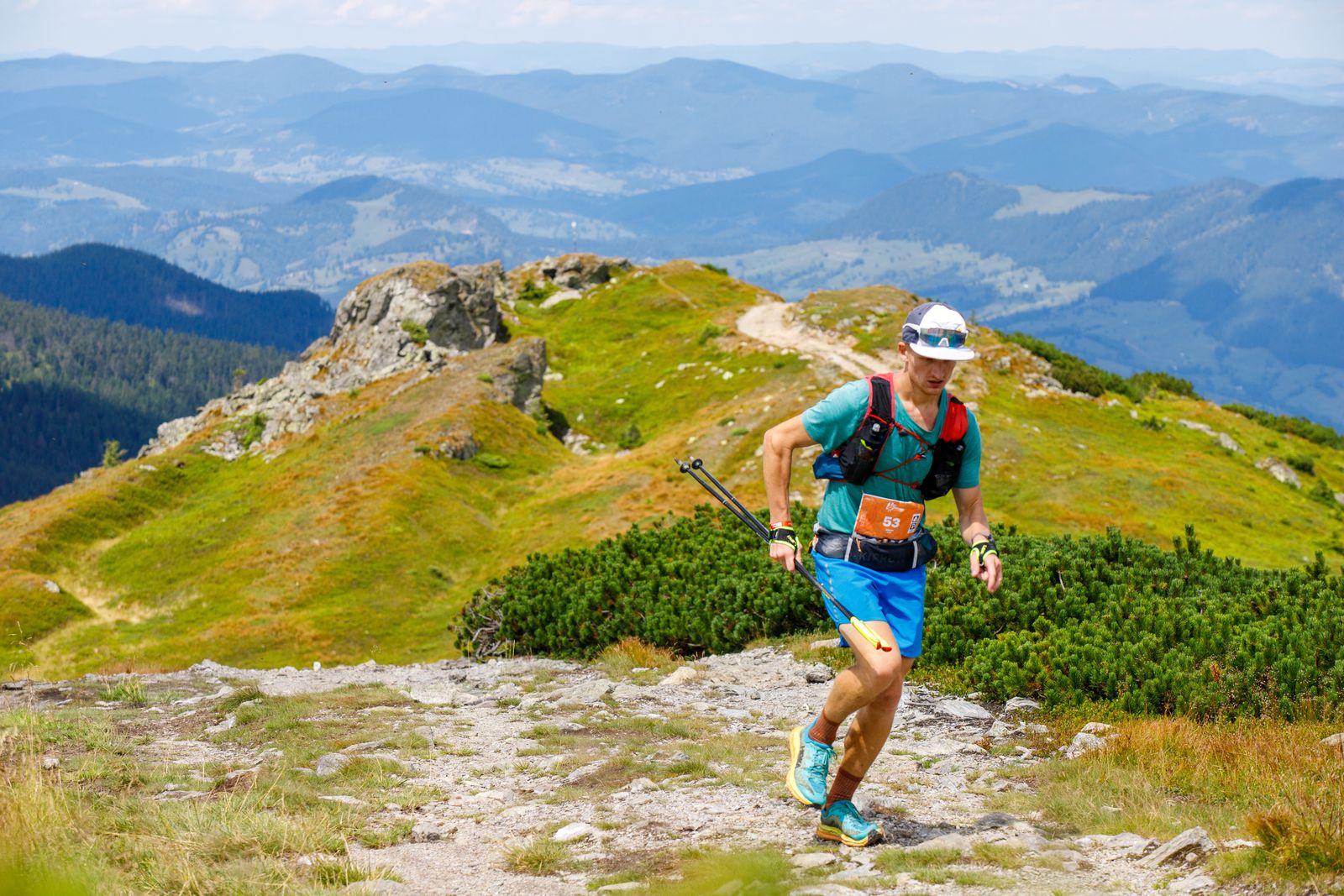
Look at the forecast over the outing’s duration and the route’s exposed or sheltered sections. Consider whether you begin with a climb, wait for companions or finish with a walk to transport. Those details can matter more than the temperature at the front door. Do not copy another runner’s clothing without considering their route, pace and preferences.
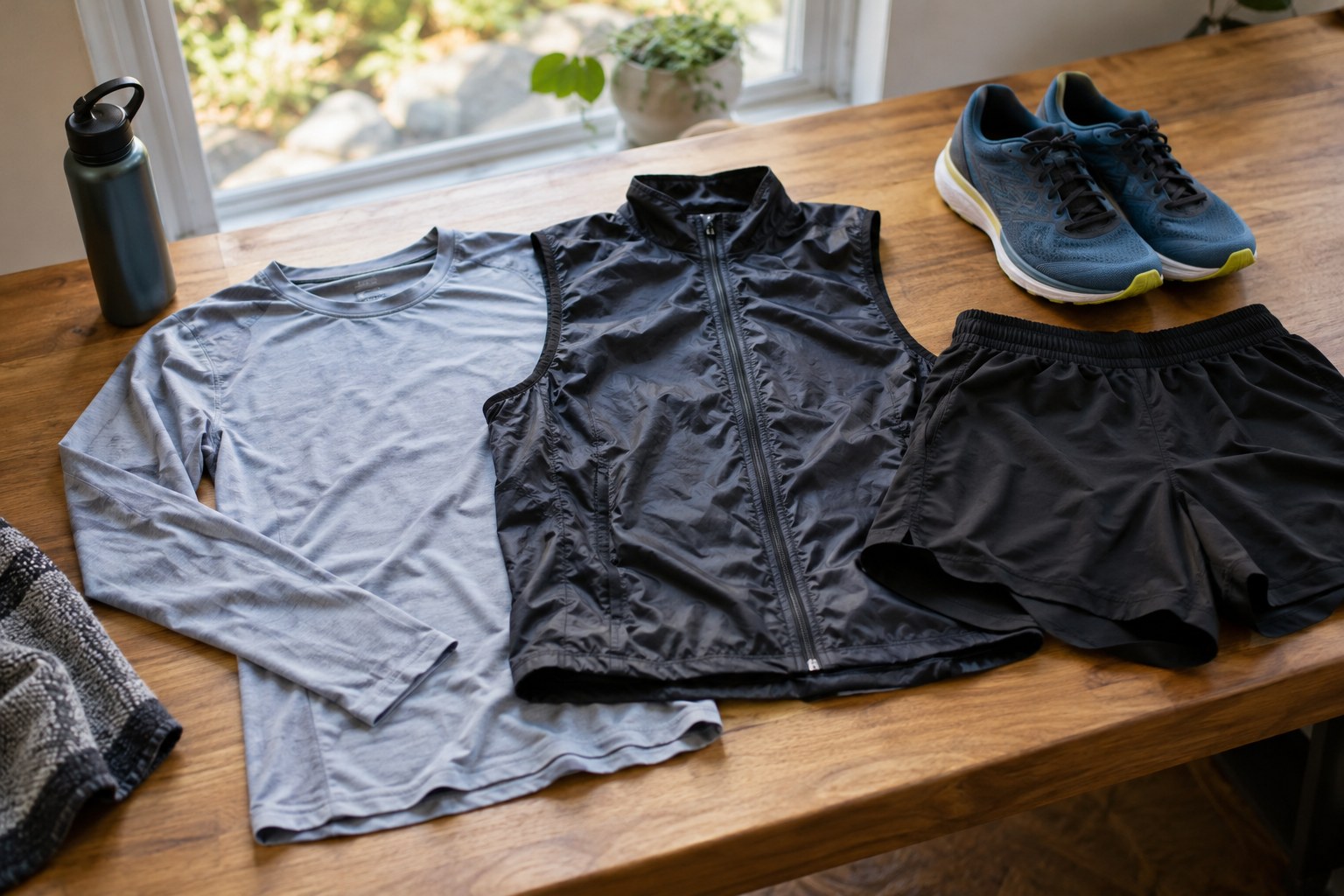
Choose layers that can be combined comfortably and adjusted without complicated handling. Put them on together before leaving and check the shoulders, cuffs and collar. A sleeve that bunches beneath another layer may be irritating once the vest is loaded. Make sure the outer garment can close normally over what you plan to wear.
Give a removed layer somewhere to go
Pack the vest or belt with the spare space you will actually need. A layer that seems tiny when carefully folded may be harder to store during a brief stop. Practise removing it and putting it away without dropping keys or exposing the phone. Do not plan to hold it for the remainder of the route simply because the pockets are already full.
Keep wet or damp clothing from soaking items that need to remain dry. Think through which layer you would want again during a pause. If it is buried beneath everything, the arrangement may discourage you from using it when useful. Place the most likely next item within easy reach rather than packing only for the neatest appearance.
Adjust before the task becomes awkward
Use a safe, spacious stop to make changes. A sheltered junction is easier than a narrow windy section, and a short pause is preferable to wrestling with sleeves while running. Tell companions what you are doing so they do not continue around the next turn assuming you are still behind them.
After the outing, note the combination and when you changed it. Record the weather and route context rather than declaring one setup correct for a whole season. Your notes may show that the starting layer was useful during the wait but unnecessary once moving, or that the return walk needed a different arrangement. These observations help prepare the next outing without turning clothing into a rigid temperature chart.