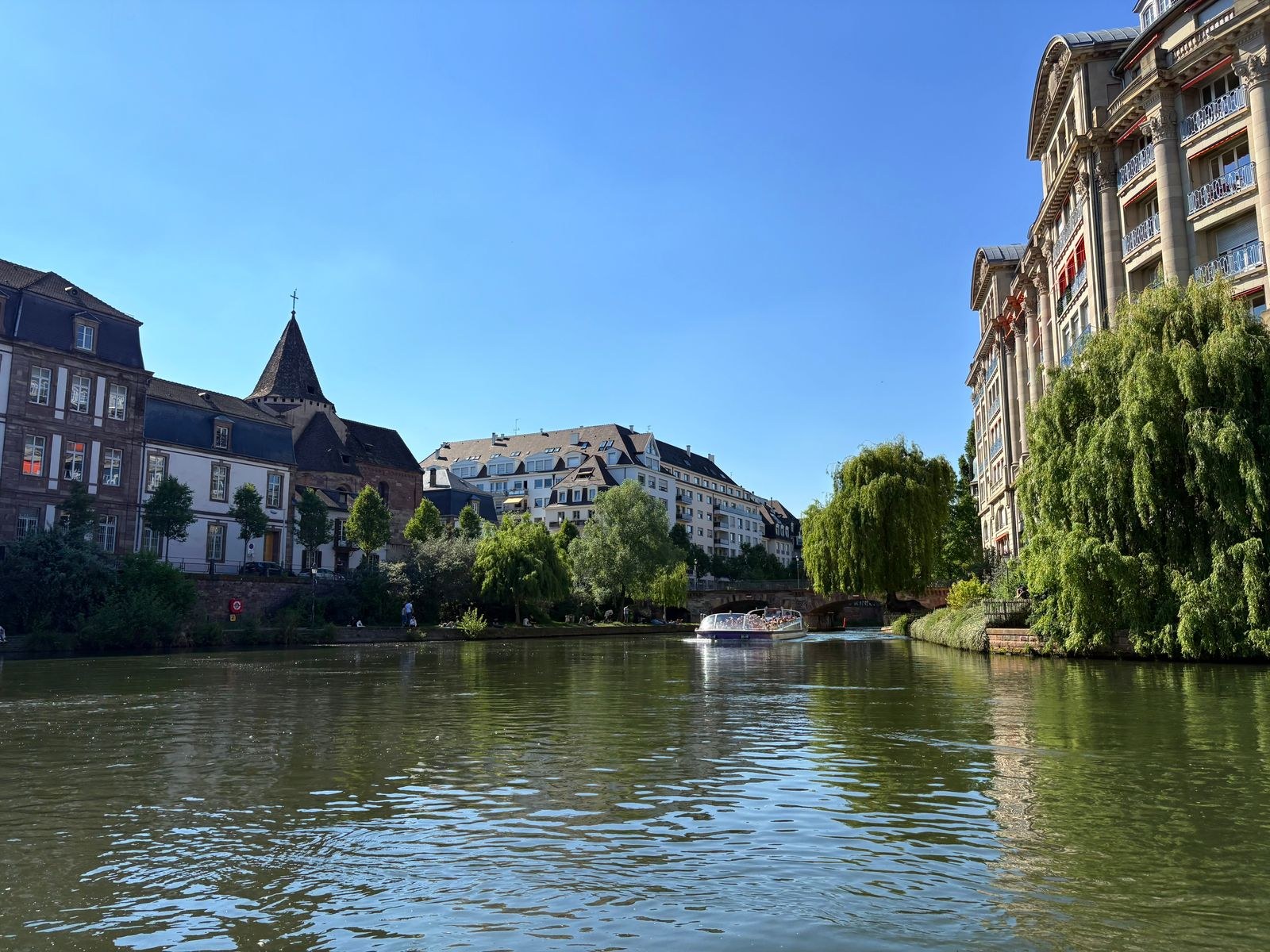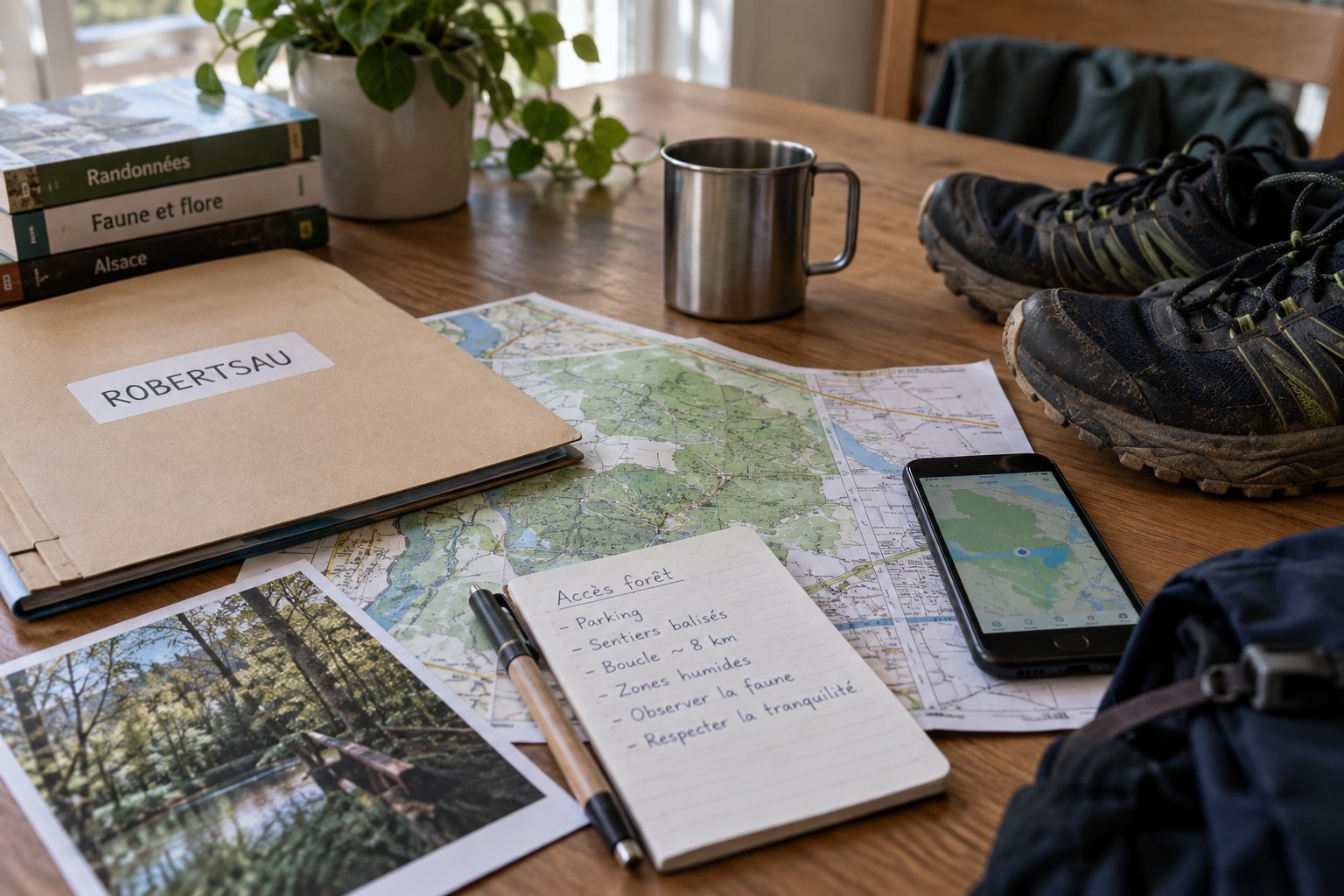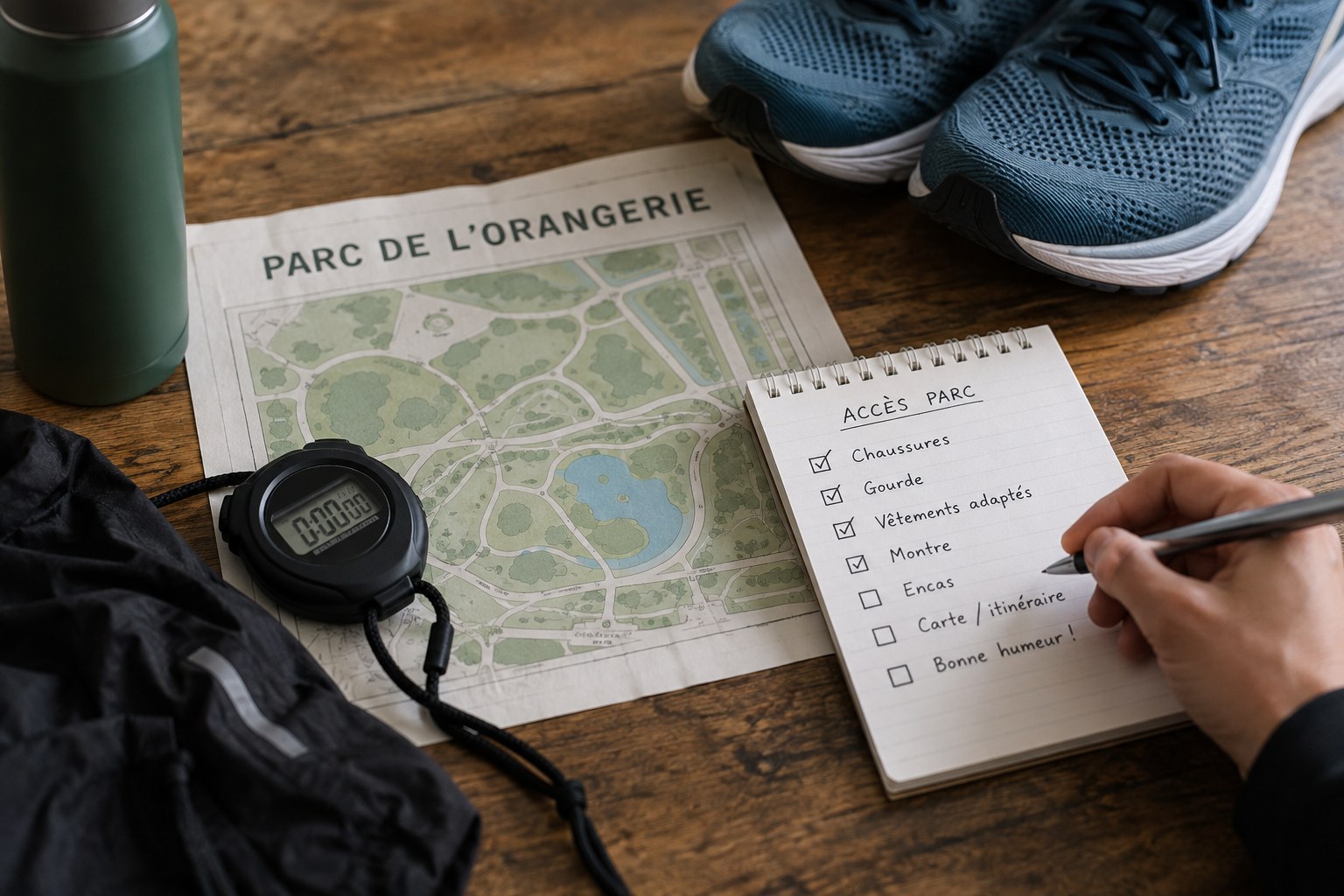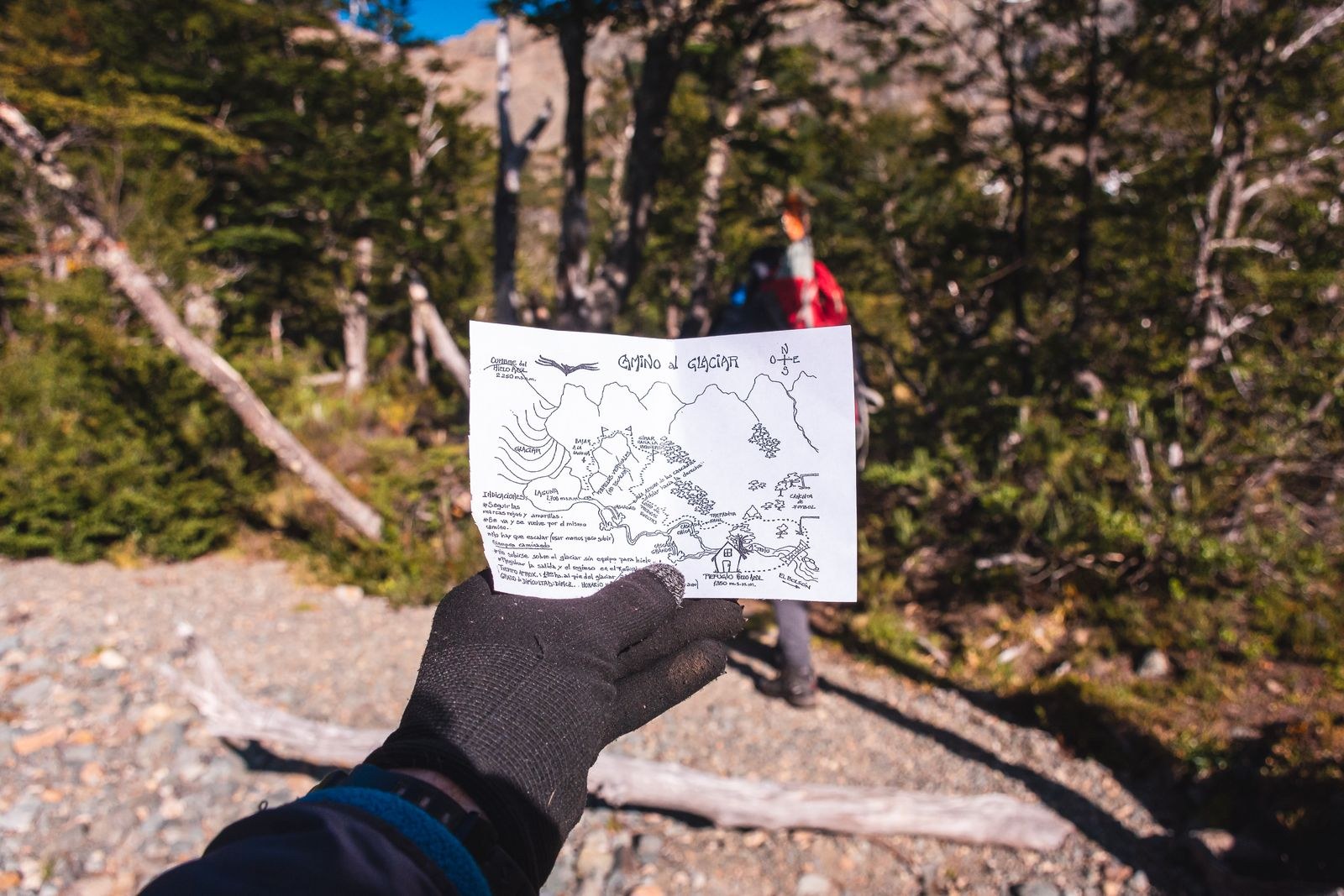
Write for someone who has never been there
Begin with an identifiable public departure point and the direction of travel. The usual car park is meaningful to you but ambiguous to a visitor. Name the entrance or junction and explain the first movement from it. If there are several access points with similar names, distinguish the one you used.
State whether the note describes a completed outing, a route assembled from sources or a section awaiting reconnaissance. Add the observation or preparation date. These details tell the reader how to interpret the rest; without them, a proposed connection can easily be mistaken for a recent firsthand observation.
Explain the shape of the outing in one or two sentences. For example, an outward path followed by a return on the same line has different decision points from a loop with one distant connection. This overview should help the reader follow the route rather than become an elaborate list of every bend.
Spend words where a choice could go wrong
Describe junctions from the direction in which they are approached. Turn right after the bridge is only useful when the reader knows which bridge and which end. Prefer a stable named feature or mapped junction over a temporary pile of timber or a parked vehicle.
Separate facts from impressions. A description of a narrow section with steps gives the reader something to assess. Calling the entire route easy hides the basis of your judgement. Where surface or access can change, attach your observation to its date rather than presenting it as permanent.
Include a shorter return only if you have established the connecting route and its access. Mark anything you did not investigate as unknown. A confident-looking dashed line should not convert an unvisited path into a recommended escape option.
If you provide distance or ascent, identify where the figures came from and which start they use. Do not combine one person's recorded distance with another route's description without checking that they refer to the same outing. Rounding an estimate can be more honest than displaying unnecessary precision.
Test the note before sharing
Ask someone to identify the start and the most important junction from the note and map without extra explanation. Every clarification you have to add reveals something missing or ambiguous. You do not need to describe routine straight sections in more detail merely to make the document longer.
Finish with the sources or notices the reader should check again, not a promise that the route will remain available. Keep the file and note under the same clear name so that revisions do not become separated. A shorter document with explicit limits serves another runner better than an impressive account that conceals uncertainty.