Choose the return decision before the view
Look for a junction, signed entrance or other stable landmark that can be recognised from both directions. A pleasant opening beside the river may be memorable, but a description such as the third bench is fragile if furniture changes or you count from a different access point.
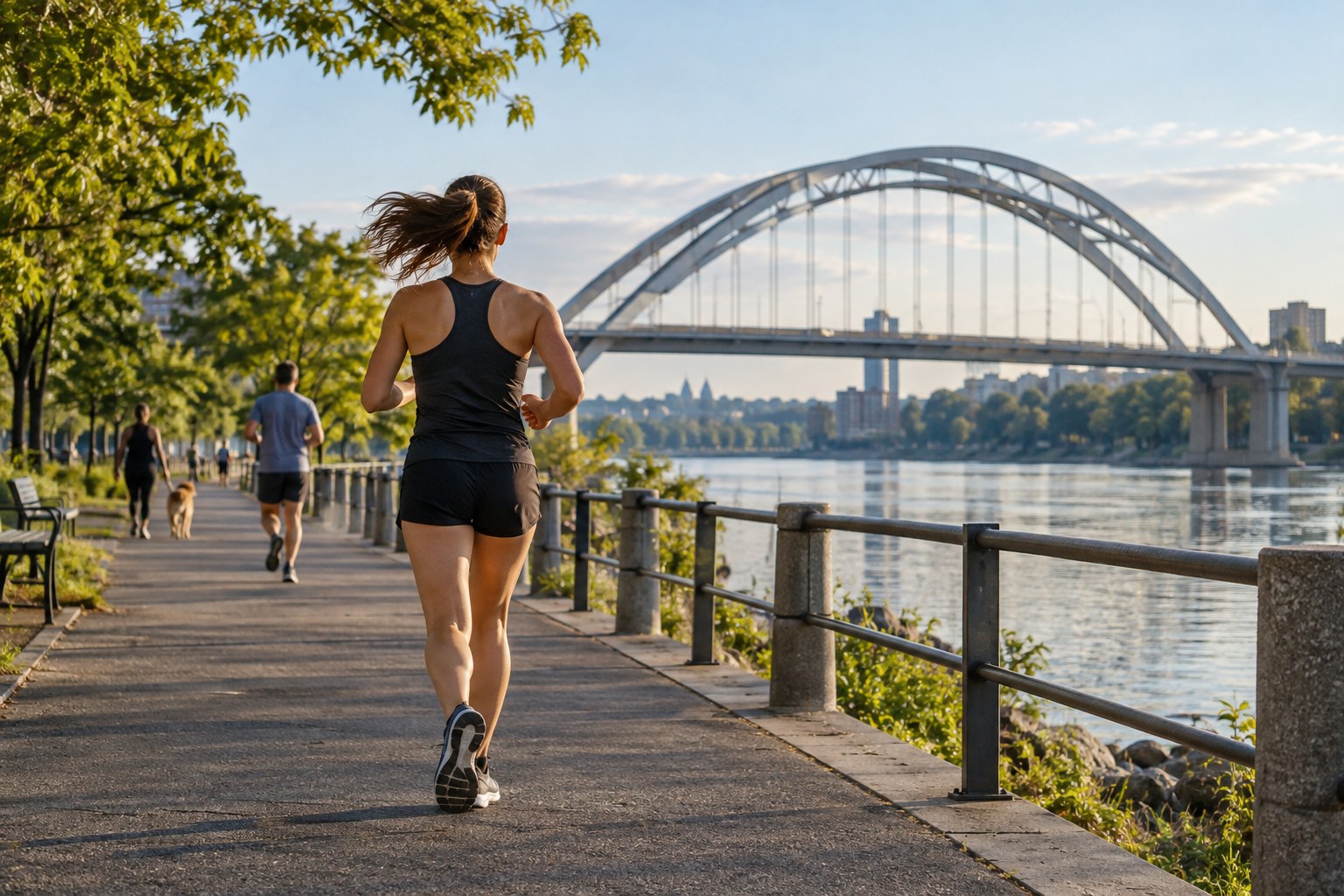
Place the turnaround where you can stop without obstructing others and reverse direction without entering a cycle lane or approaching the water's edge. You do not need to touch the bank, reach a particular photograph location or cross a bridge to make the outward section count.
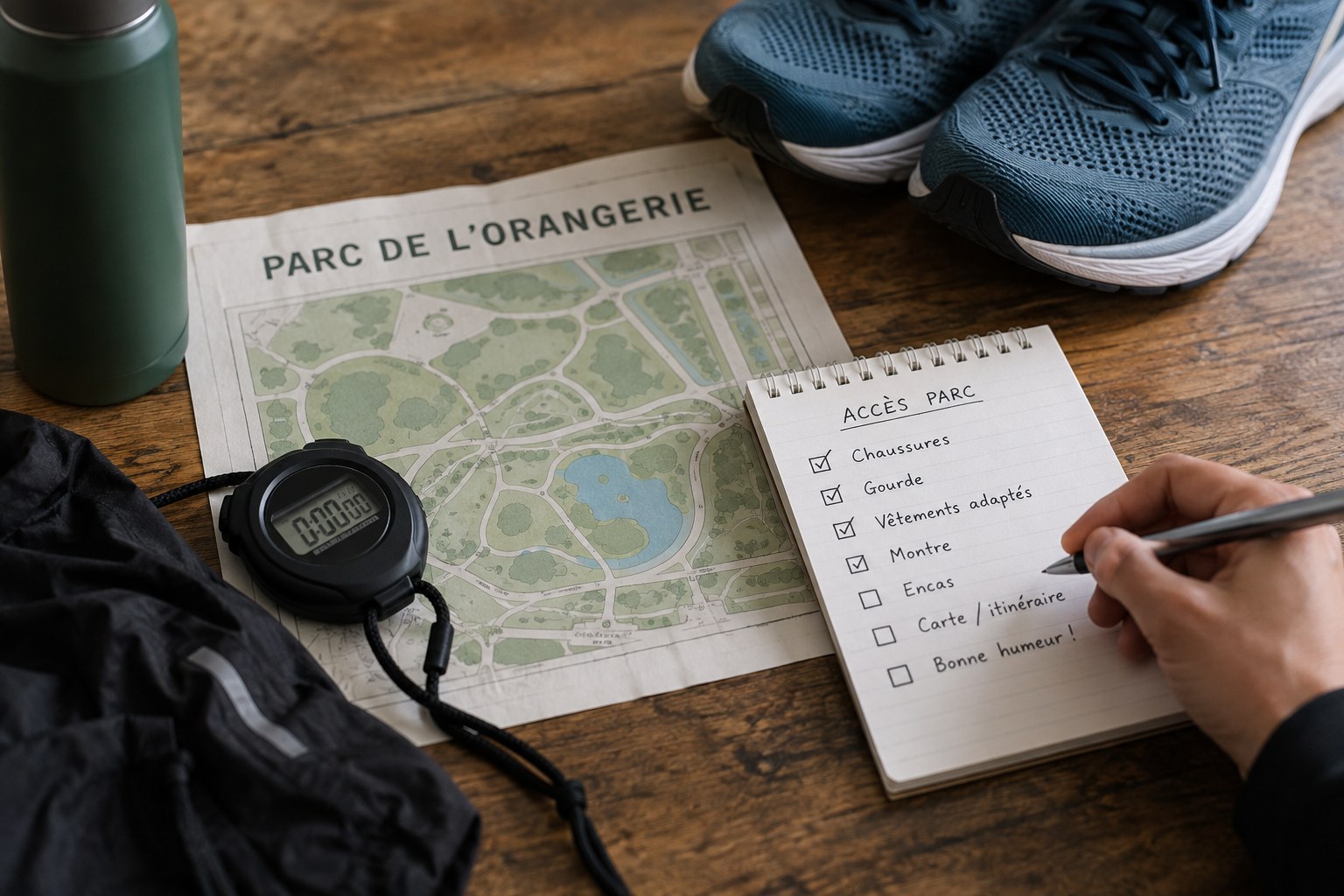
Give yourself a time-based limit as well as a destination. If you have not reached the landmark by the time you intended to turn, return from an earlier suitable place. This prevents an approximate map distance from quietly extending the outing beyond the time available. The limit should fit the day rather than become a target to chase.
Read the path as a sequence of access points
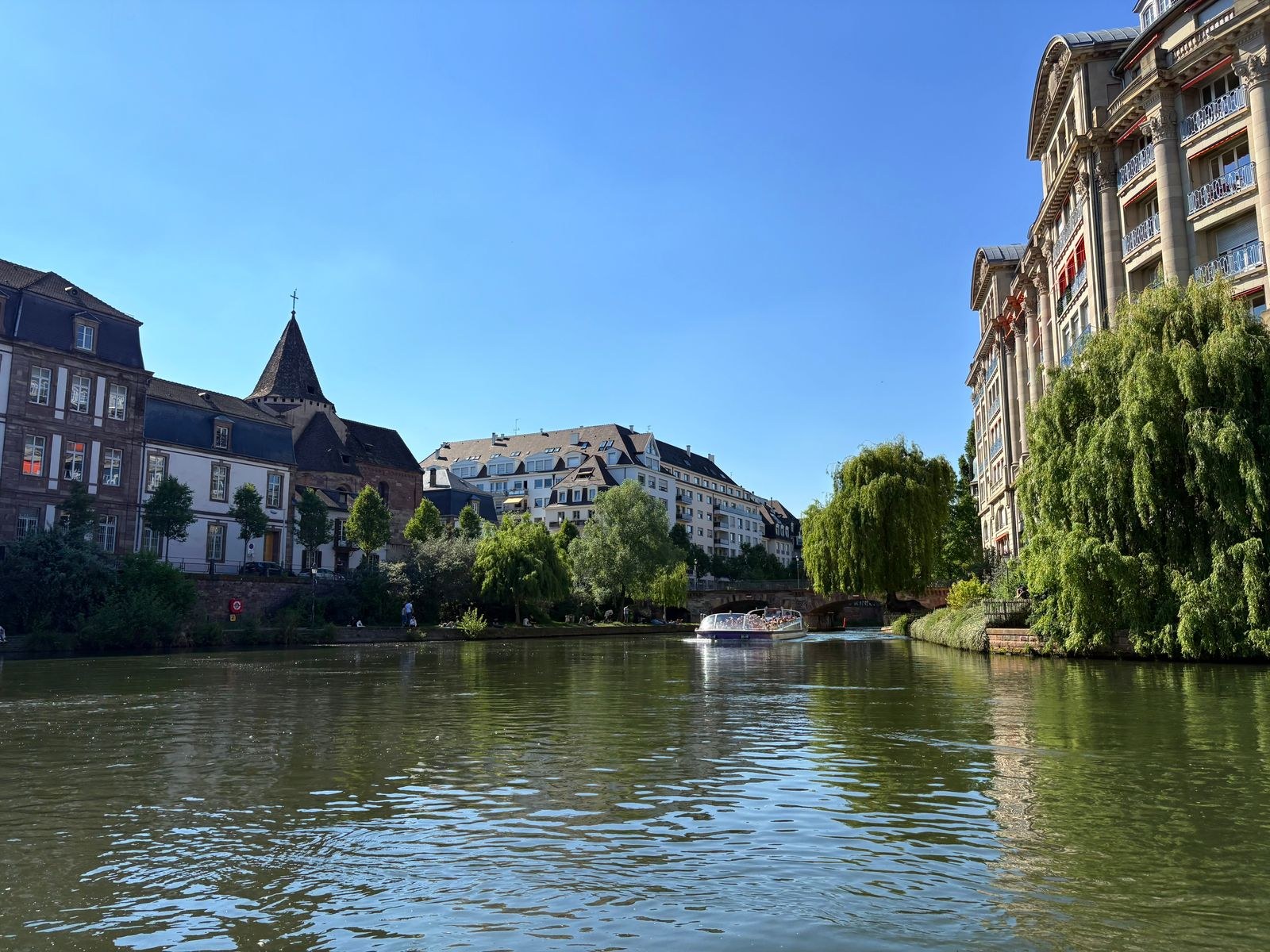
Before leaving, identify where the riverside route can be joined or left through authorised connections. A long continuous-looking line may have fewer useful exits than expected. Note which side of the river you will occupy and avoid relying on a bridge unless its pedestrian access forms a verified part of the plan.
Do not assume that the opposite bank offers a convenient return. It may have different paths, crossings or access arrangements. If you want to create a loop, investigate it as a separate route rather than adding a crossing spontaneously because the view appears inviting.
A low waterside section also deserves its own conditions check. Review current local notices and relevant weather information. If the intended path is closed, obstructed or affected by water, use another established route. Completing a specific distance is not a reason to test an uncertain passage beside a river.
Make the outward leg useful
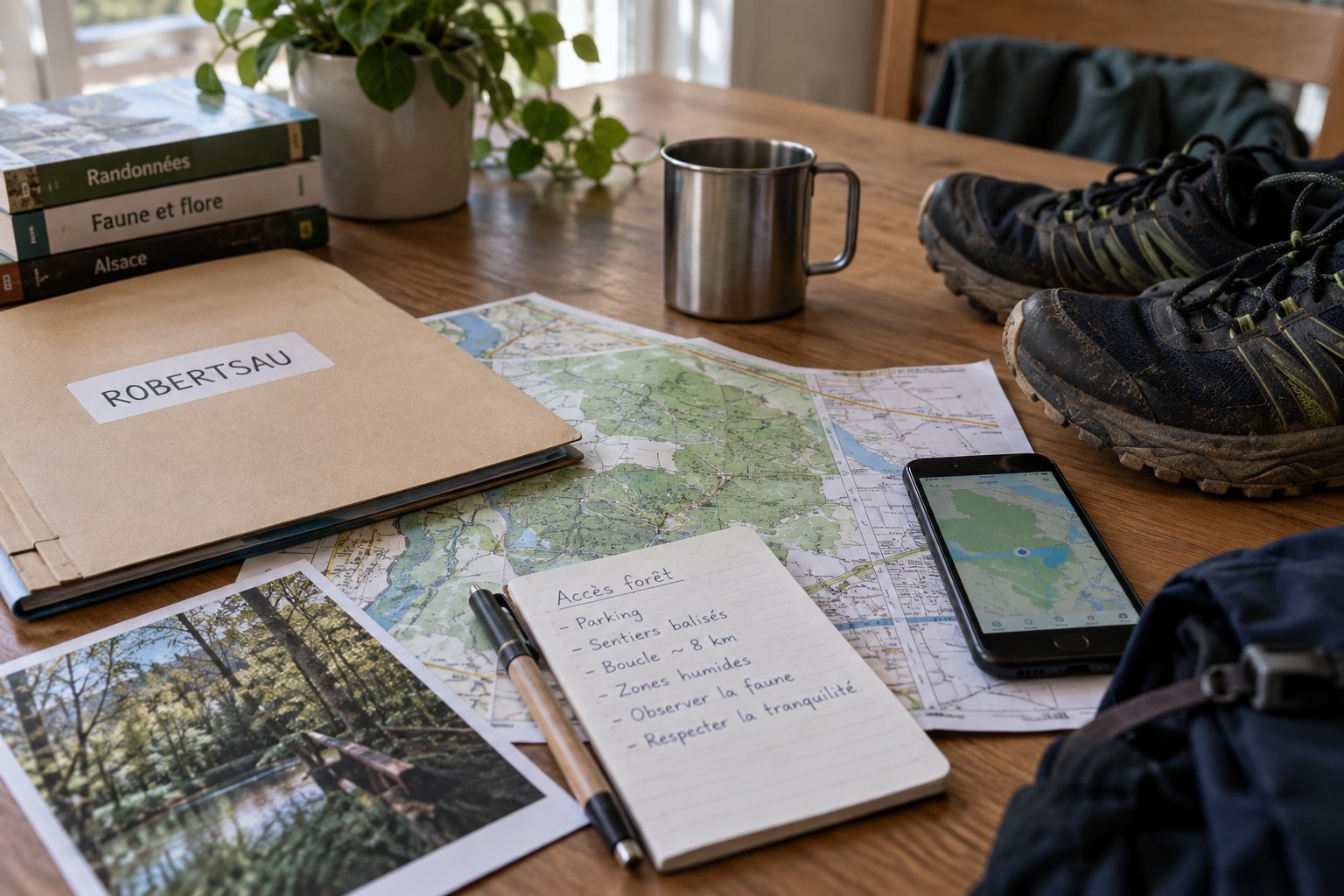
Notice junctions and access signs on the way out so the return does not depend entirely on a device. If a section feels unsuitable, turn at a safe point before it rather than continuing solely to reach the original marker.
For a group, name the turnaround beforehand and make clear whether everyone returns together. A person stopping early should not disappear from the shared plan. After the outing, record the landmark precisely, the date and the actual access used; leave changing conditions out of any timeless claim about the route.