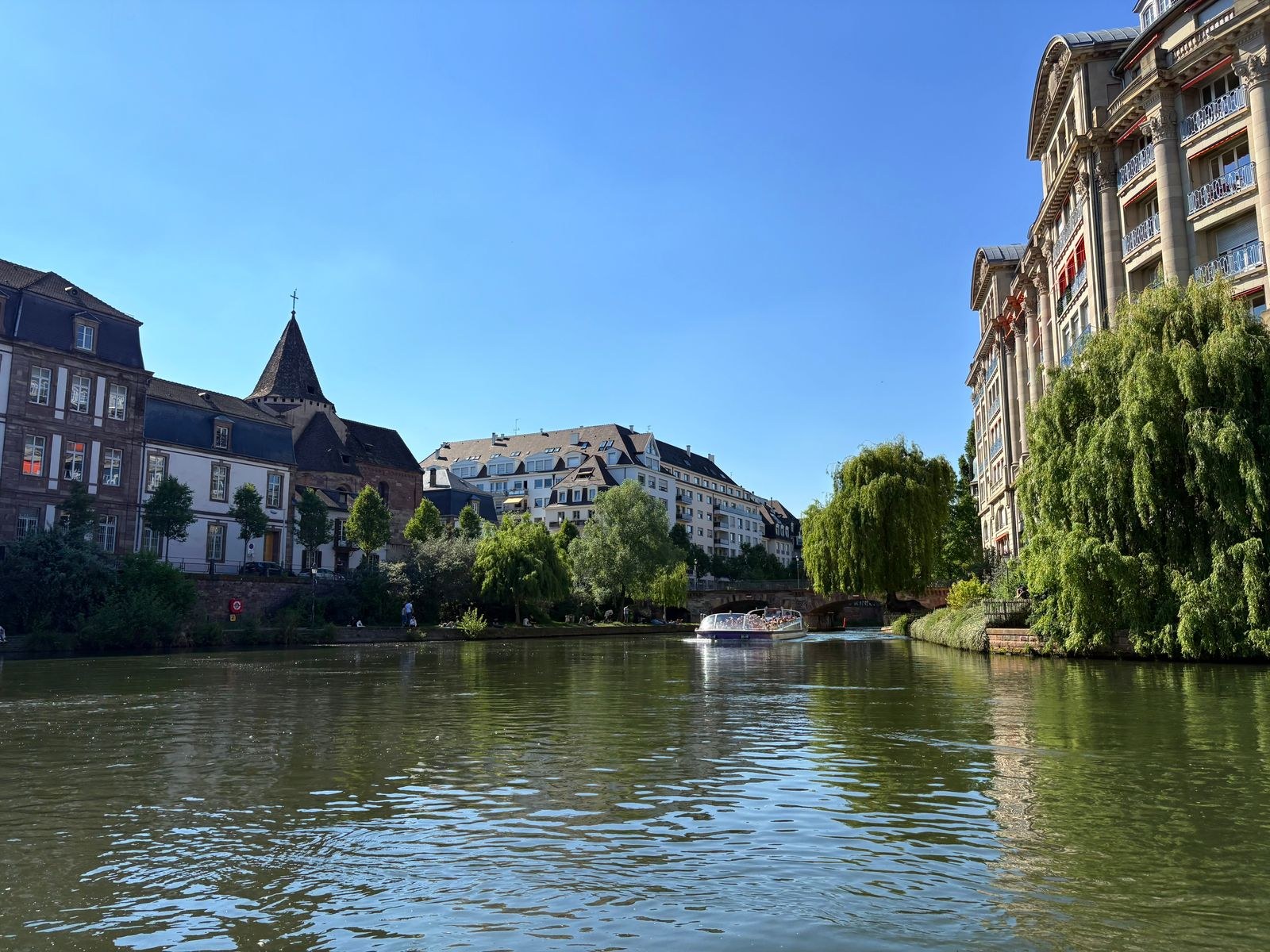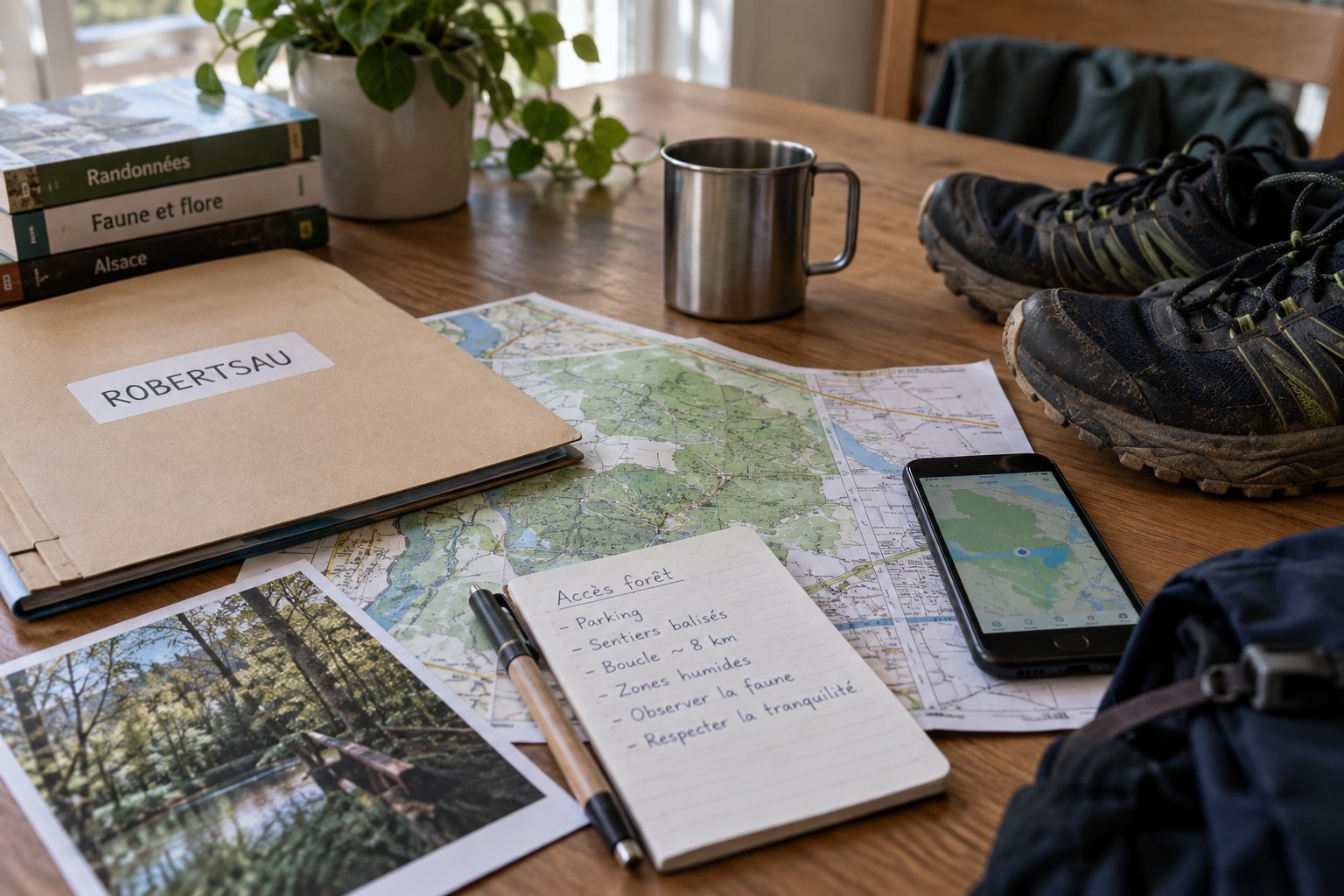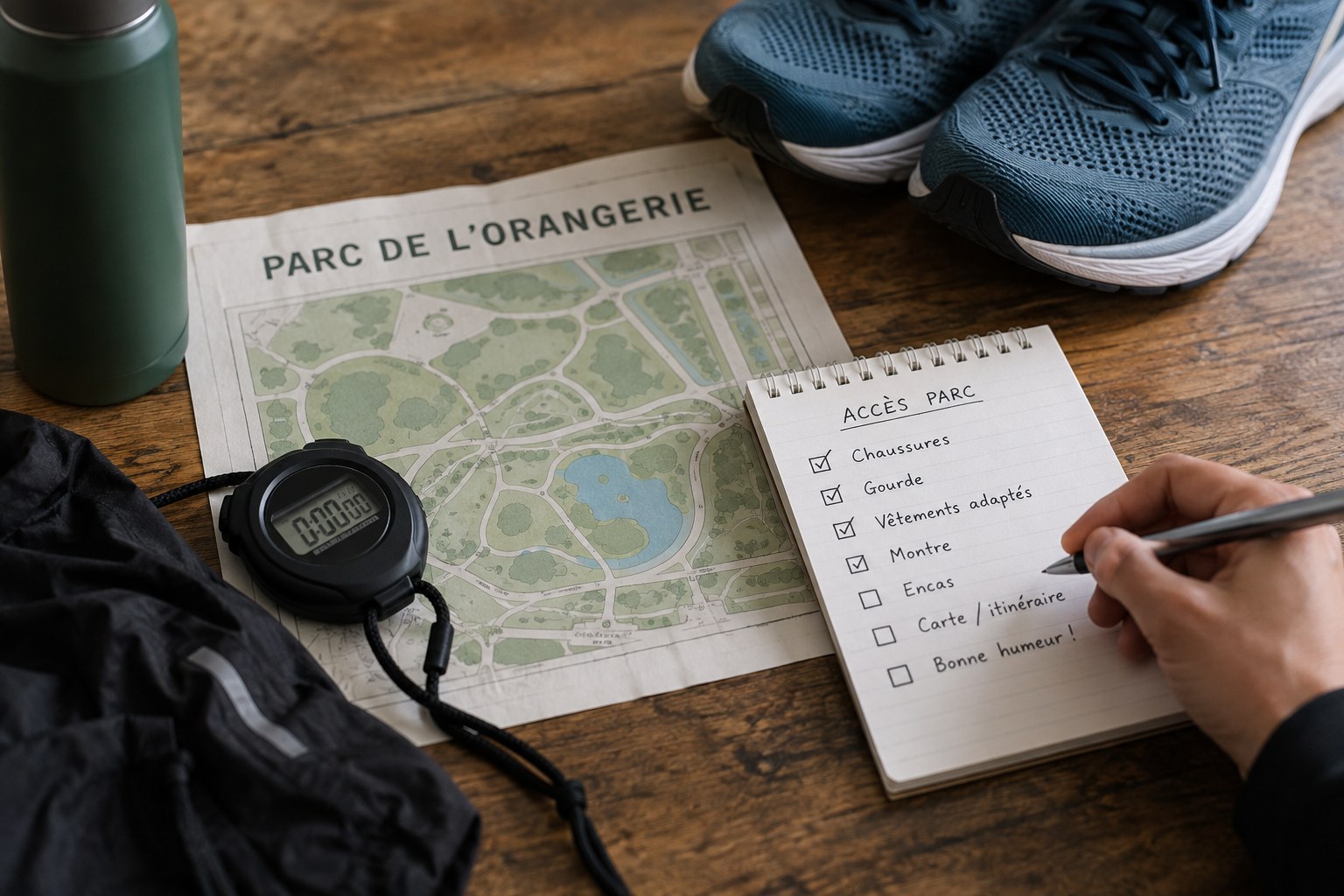
Check whether the outing should happen at all
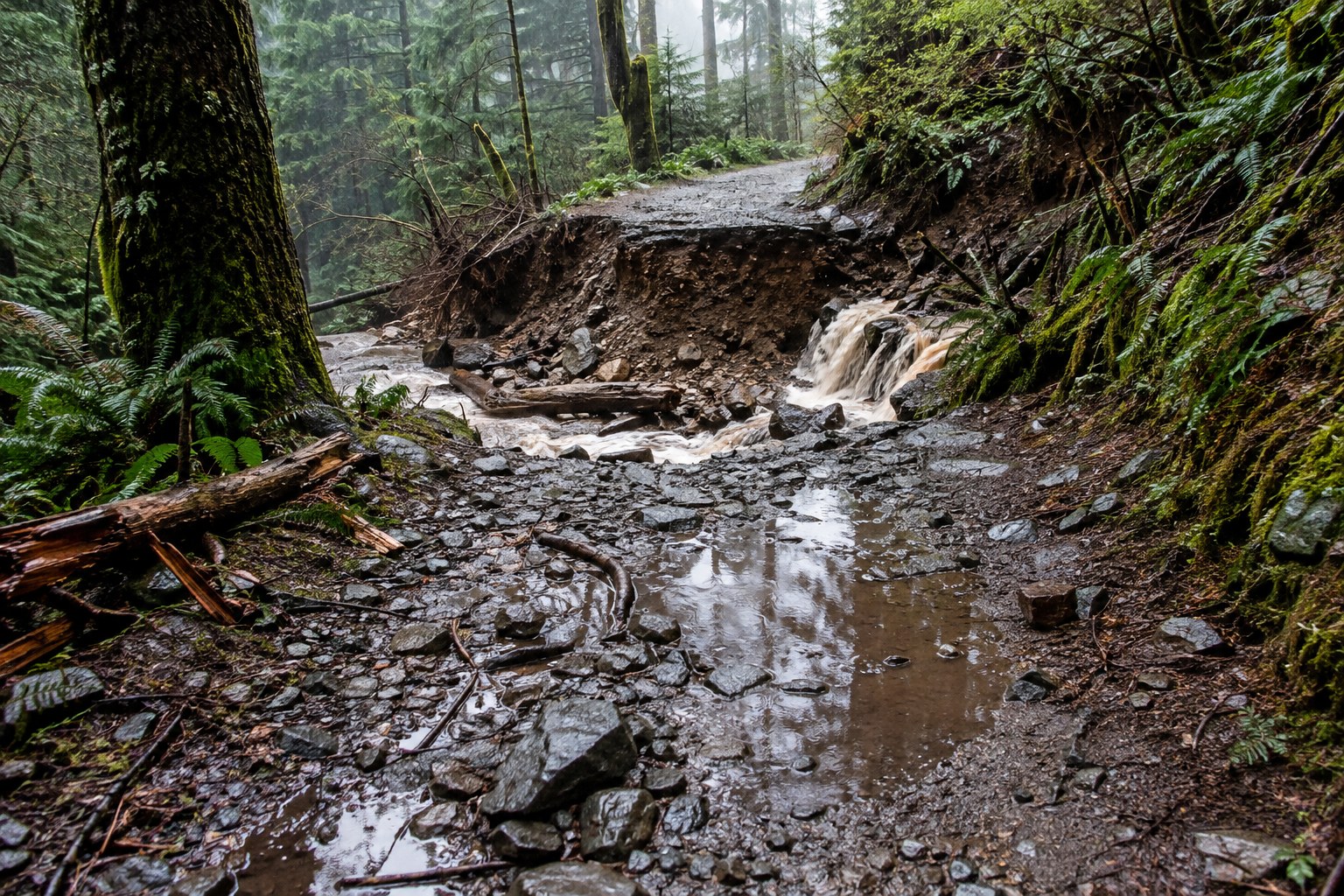
Read current weather warnings and local instructions before considering individual paths. French flood-prevention guidance says not to enter flooded routes or cross flooded areas. If the planned outing depends on a water-covered passage, choose a different outing or stay away; estimating its depth from the edge does not solve the problem.
Look for information from the local authority, land manager or route operator about the exact area. A general forecast can describe the weather without reporting a damaged footbridge or closed entrance. Conversely, the absence of a notice on a route-sharing page does not establish that someone has inspected the path.
Keep the decision separate from the inconvenience of changing plans. A long journey already booked or a preferred training distance can make the old plan feel more important than the new evidence. Set an alternative before leaving so that abandoning the original route still leaves a clear choice.
Revisit the vulnerable connections
On your map, identify waterside sections, low passages, stream crossings and places where the route has only one connection onward. These are priorities for checking, not a list of places to visit in order to test conditions. If a critical link cannot be verified, remove that dependence from the plan.
A shorter route is useful only if its remaining sections are appropriate. Cutting distance from a loop while keeping the same uncertain crossing does not address the reason for changing it. Consider a different area with simpler access rather than preserving the original shape at all costs.
Do not improvise around a closure by stepping through adjacent land or following other footprints. A barrier may protect against a problem you cannot see from your position. Follow the responsible authority's instructions and use an established alternative only when its access is clear.
Separate observations from promises
If an appropriate outing goes ahead, continue reassessing at ordinary decision points. Turn back before an uncertain section rather than progressing because the preceding ground was acceptable. Conditions need not be uniform along the route.
Afterwards, describe only what you observed, with a date and location. A note that a particular access was closed is useful; a statement that the whole valley is safe after rain is not supported by one outing. Report a relevant damaged feature through the manager's appropriate channel, and avoid publishing a detour that you have not established as authorised.